The Persistent Challenge of Malaria in Nakuwadde
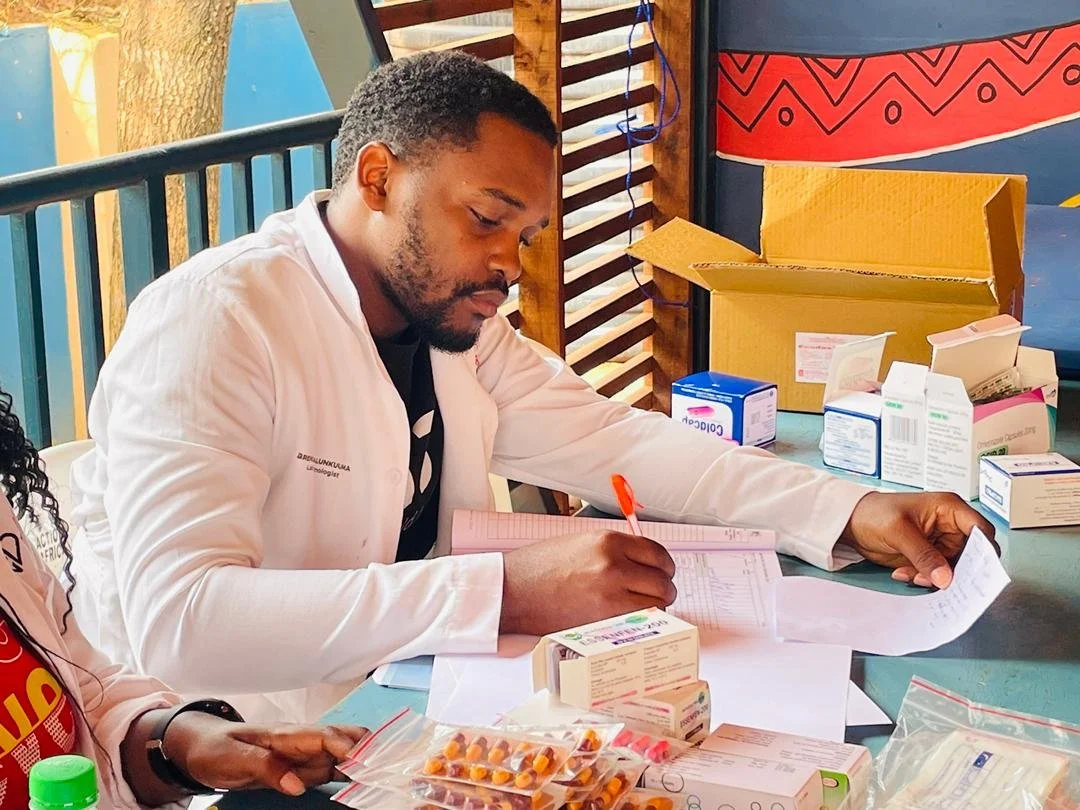
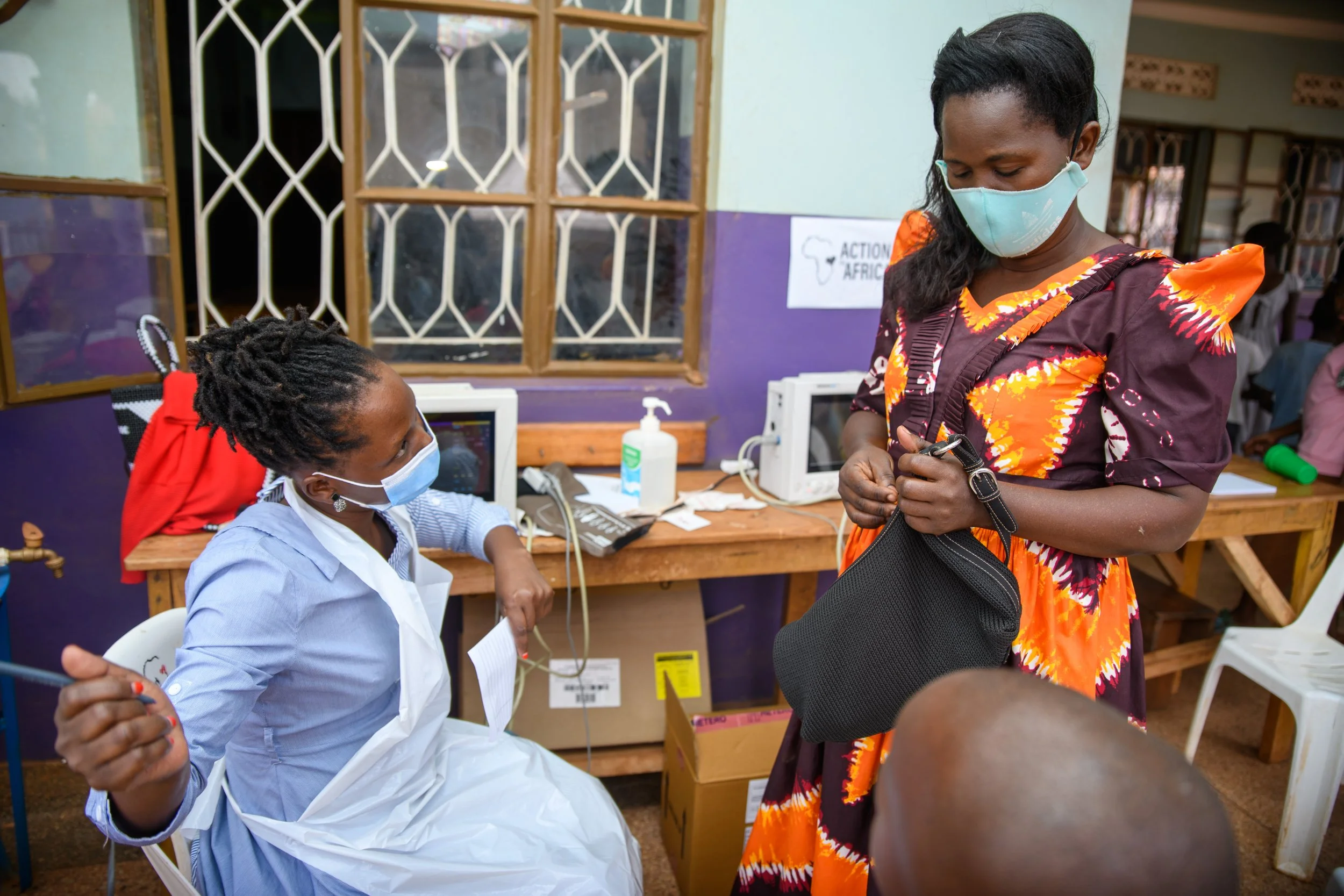
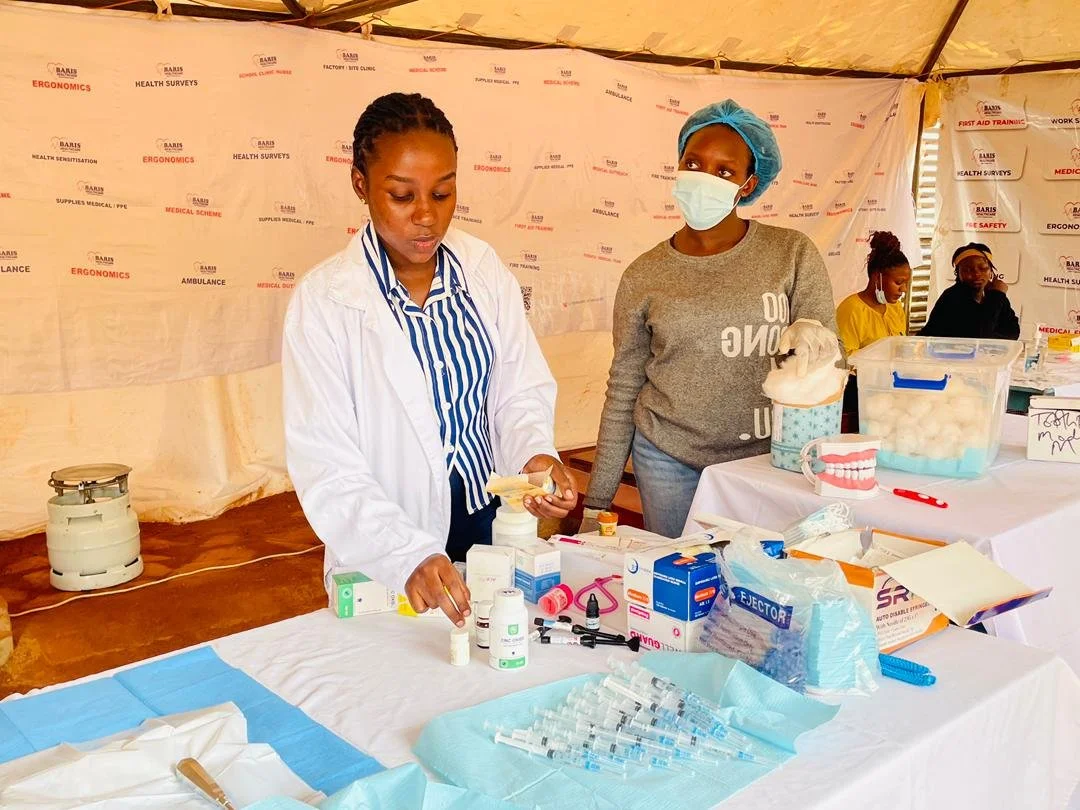
Across our recent medical outreaches, we have tested hundreds of community members; consistently, nearly 50 individuals per session test positive for malaria. What we continue to witness in Nakuwadde reflects a much larger national crisis.
The Malaria Indicator Survey 2024–2025 Final Report compiled by the Uganda Bureau of Statistics and World Health Organization indicates that Uganda carries one of the highest malaria burdens in the world, reporting more than 13.2 million cases and 16,000 deaths annually. Malaria remains the leading cause of sickness and death in the country, disproportionately affecting vulnerable groups, especially children under five and pregnant women.
Recent data reveals a troubling trend: national malaria prevalence among children under five has risen from 10% to 13%. This increase represents far more than a statistic; it reflects growing pressure on families, schools, and healthcare systems across Uganda. Malaria now accounts for 30% to 50% of all outpatient consultations and nearly a quarter of all hospital admissions nationwide.
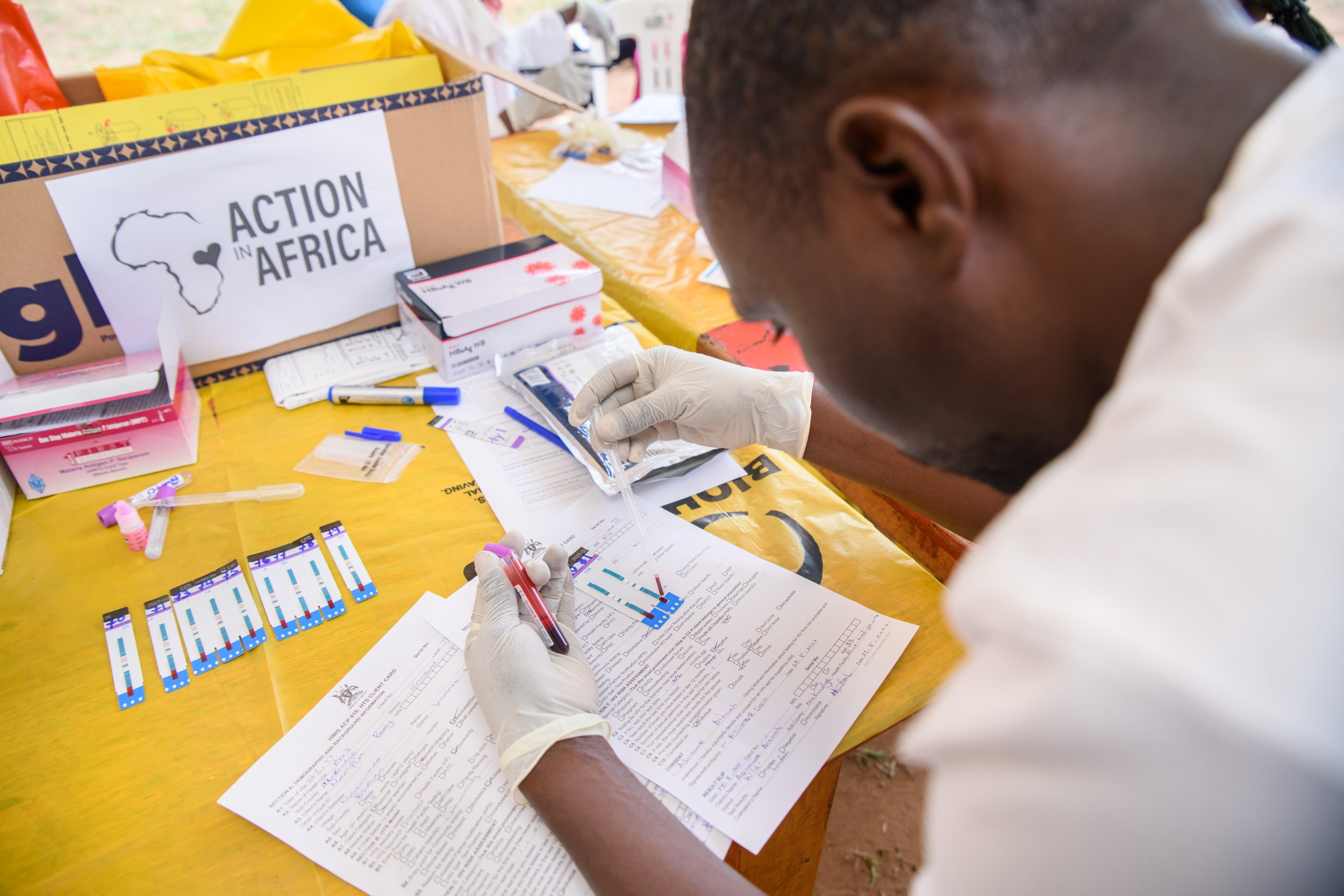
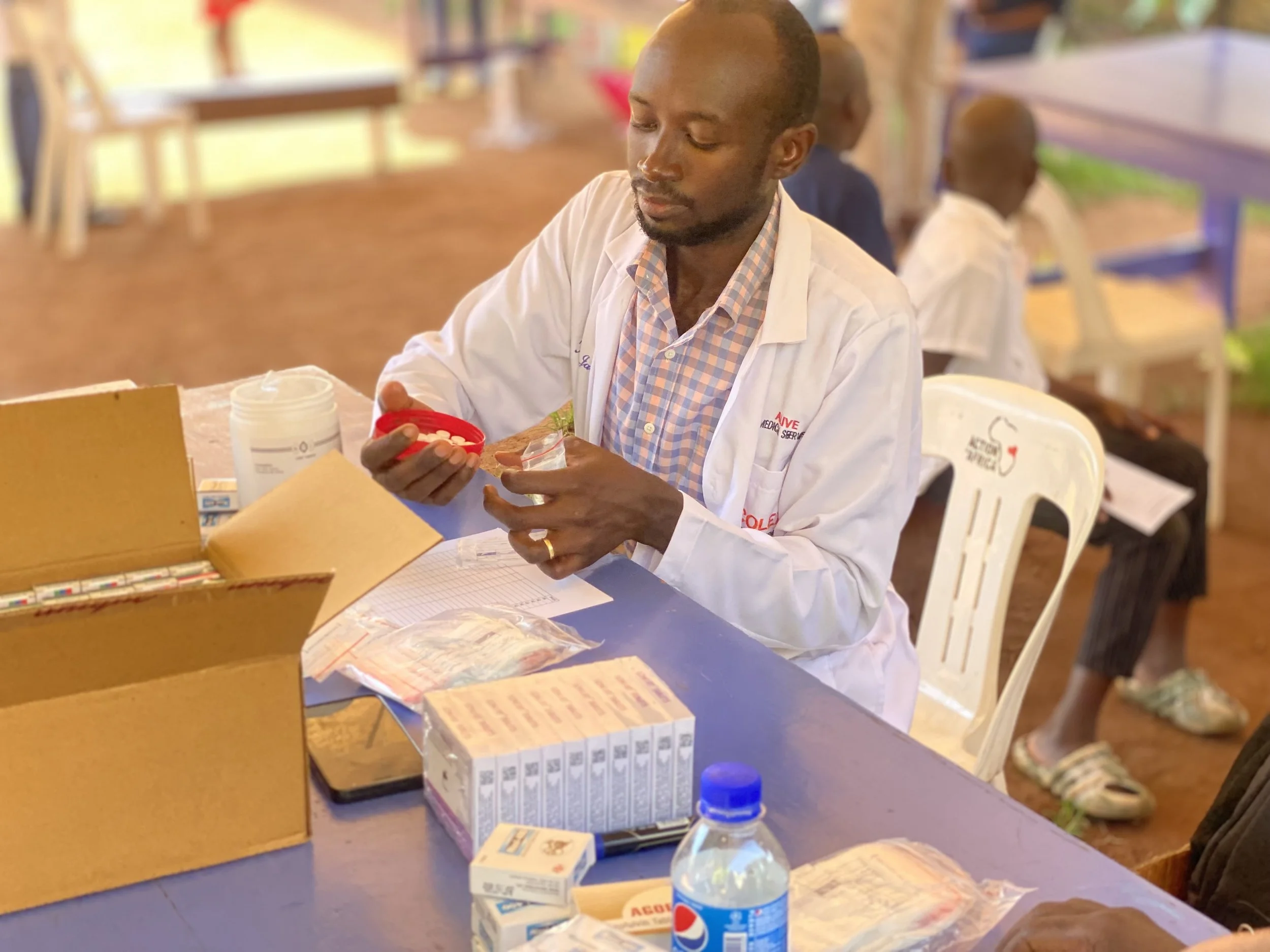
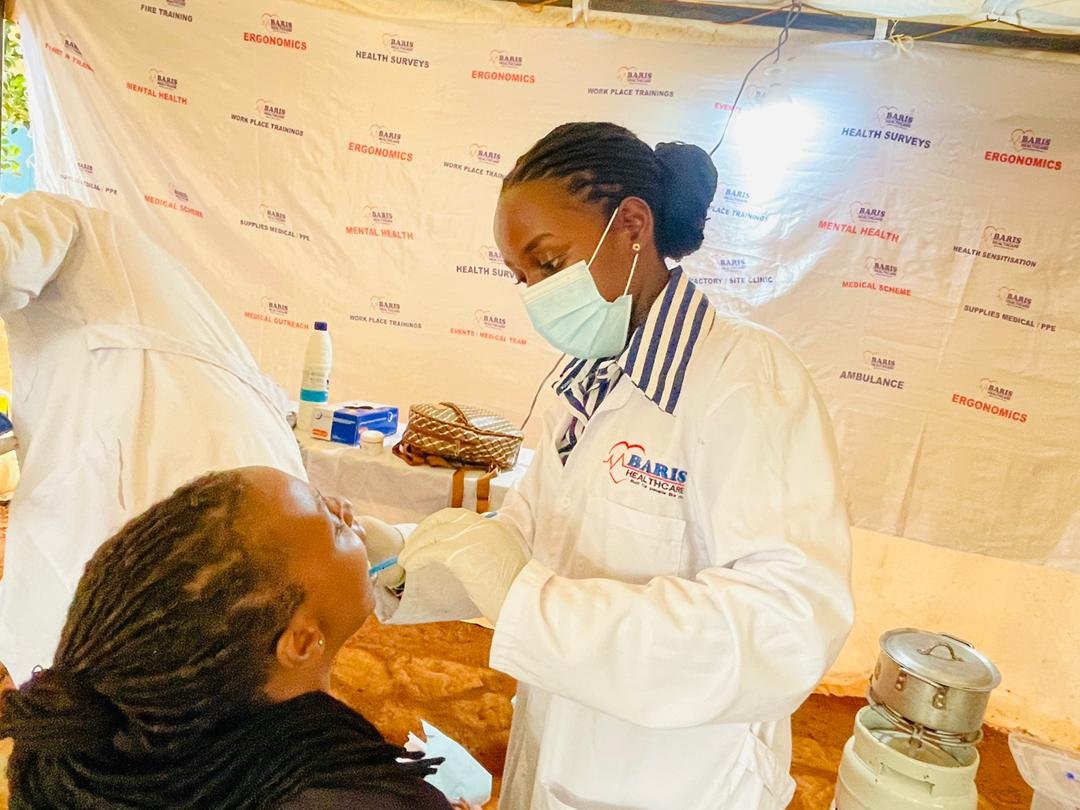
At Action in Africa, we see these realities firsthand during our bi-annual medical outreaches in Nakuwadde. During our most recent outreach, hundreds of community members came seeking care, with malaria once again emerging as one of the most common diagnoses. Reviewing AIA’s medical outreach archives from 2023 through 2026 reveals a consistent pattern: every session brings dozens of positive malaria cases, reinforcing just how deeply this disease continues to impact daily life in the community.
In the 21st century, it is a profound injustice that a preventable and treatable disease continues to threaten so many lives. Recognizing the growing trends across Uganda, Action in Africa has made “Test and Treat” a non-negotiable part of our annual programming. Year after year, malaria intervention remains a primary line item in our budget because protecting the people of Nakuwadde from this disease is essential to the health and future of the community.
In Nakuwadde, malaria is not just a medical issue; it is a barrier to growth and opportunity. When a child falls ill, they miss school. When a parent is bedridden, household income stops. For pregnant mothers, malaria places both mother and unborn child at serious risk. Protecting mothers means protecting the future of Nakuwadde itself. Despite ongoing intervention efforts, malaria remains the leading reason community members attend our medical outreaches.
Nakuwadde’s geography contributes significantly to the challenge. The community sits near the Mayanja wetlands in Busega, the Masanafu wetlands, and the Bbira forests. While these ecosystems are important to the surrounding environment, they also create ideal breeding grounds for mosquitoes. This environmental reality continues to fuel high malaria prevalence throughout the area, making vigilance and prevention absolutely critical.
Today, we are moving beyond treatment alone. We are strengthening the frontline fight against malaria through three core pillars: rapid testing and treatment, community education, and prevention initiatives. During our outreaches and community programs, we educate families on identifying and clearing mosquito breeding sites such as stagnant water, sleeping under treated mosquito nets, especially for pregnant women and children, and clearing bushes surrounding their homes. Prevention remains safer, more effective, and far less costly than treatment.
At the Center, we are proud to serve the community, but our ultimate goal is bigger than responding to illness. We look forward to the day when malaria is no longer the primary reason families seek medical care in Nakuwadde.
In Uganda, the cost of a single malaria Rapid Diagnostic Test (RDT) can range from 5,000 UGX at local clinics to as much as 10,000 UGX at larger hospitals, far beyond what many families in Nakuwadde can consistently afford. We invite you to join us in eliminating malaria from our community. A donation of just $50 allows us to provide life-saving testing and treatment support for 35 people. Together, we can ensure that no neighbor is left behind simply because they cannot afford a test.