Breaking Silence and Building Dignity Through Menstrual Health
In Uganda, menstruation is often discussed in whispers, wrapped in myths and hidden behind layers of stigma. Yet poor menstrual health management remains a significant barrier to girls’ education and overall well-being. A report by the Ministry of Education and Sports, compiled in April 2024, indicates that 23% of Ugandan girls between the ages of 12 and 18 drop out of school after they begin menstruation. Limited access to menstrual health resources leaves many girls struggling to concentrate in class, while poverty forces some to rely on paper, fibers, or old cloths for protection.
Menstruation is far more than a biological milestone; for nearly one in four girls, it becomes the unintended finish line of their education. Stigma and a lack of basic resources create barriers that force young women out of the classroom just as their potential is beginning to blossom. At Action in Africa, we are working to break this cycle, ensuring that a natural process never results in a lost future.
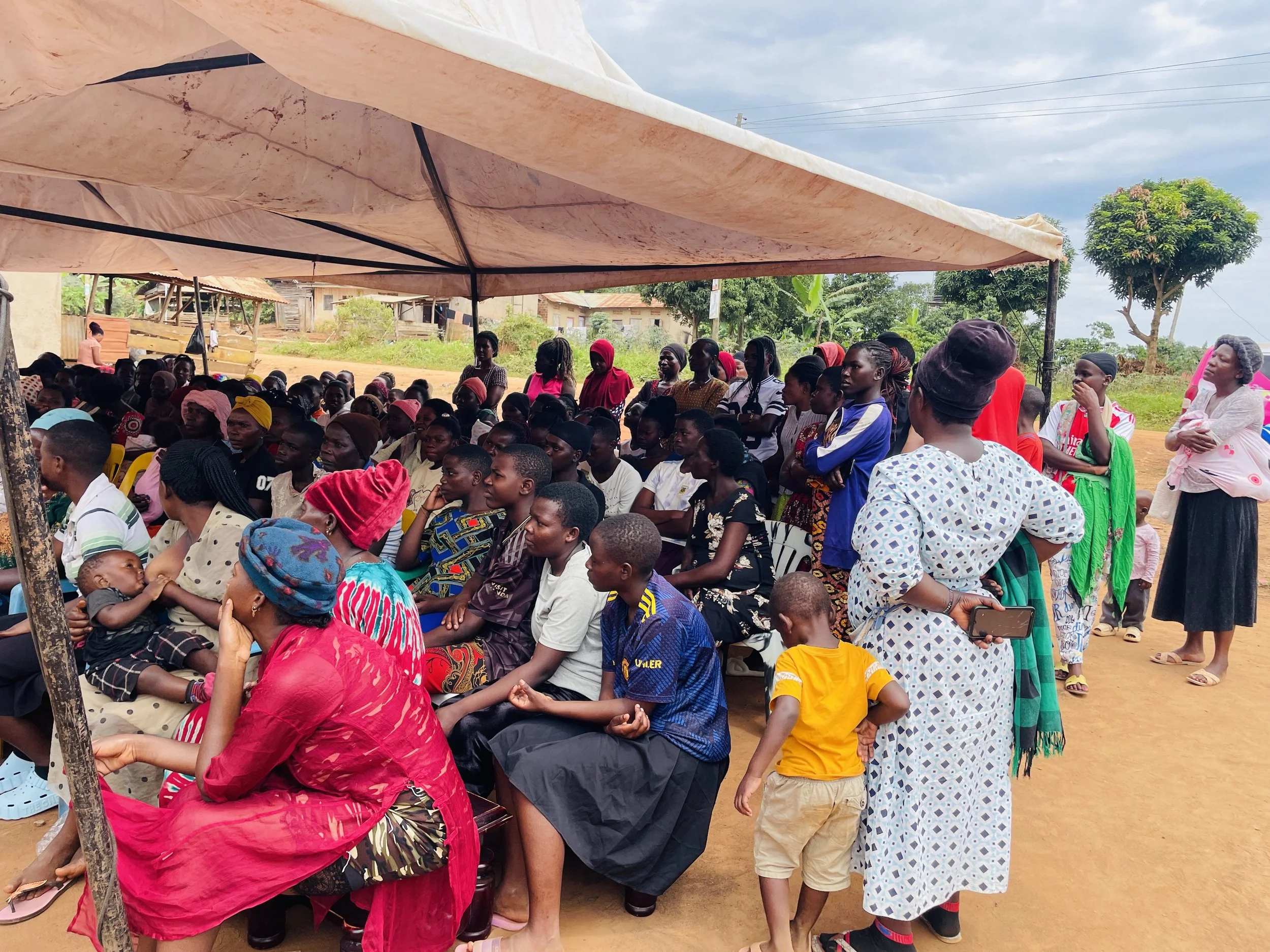
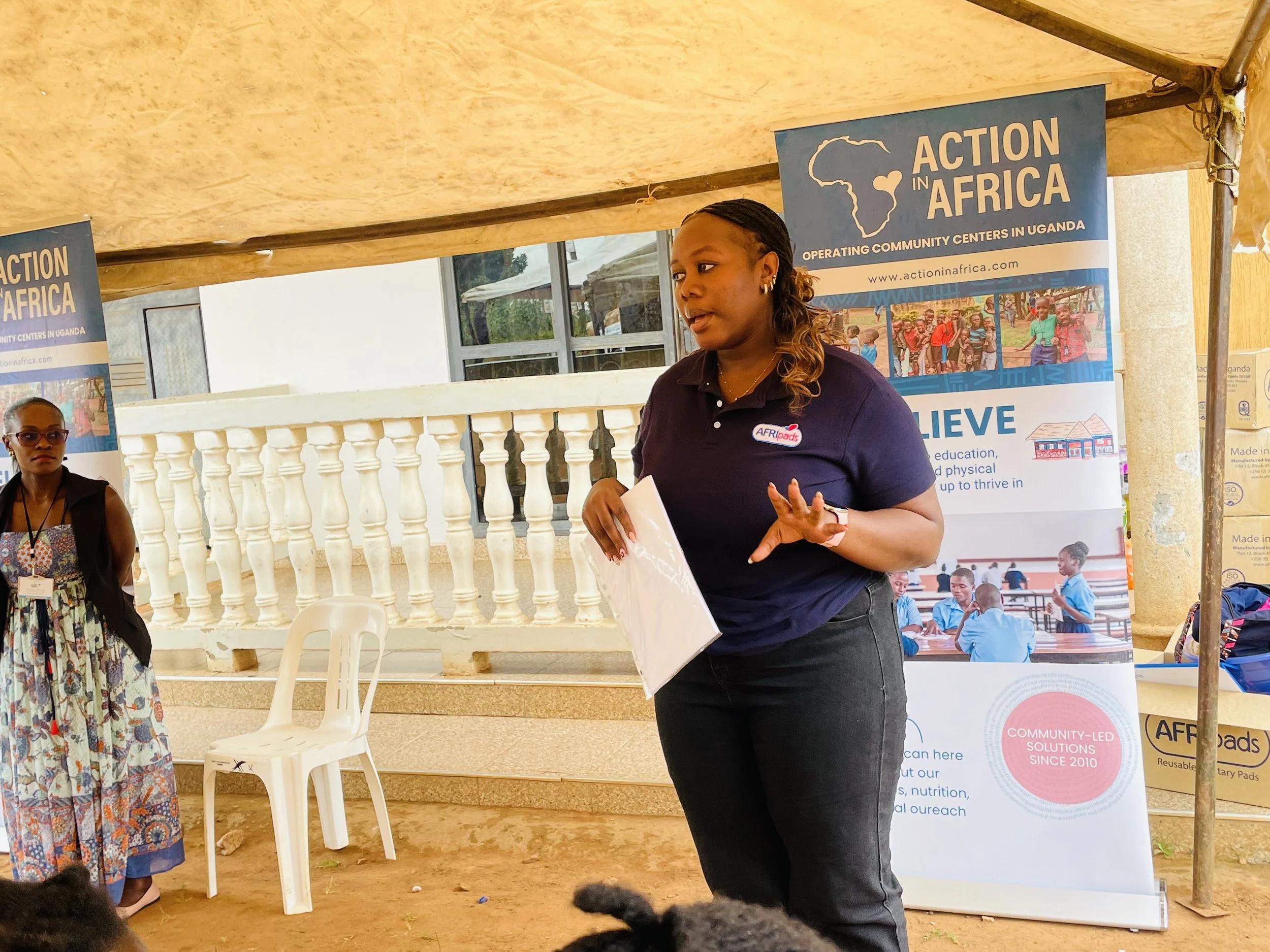
To address these challenges, we have hosted several workshops, including one held on May 16, in the heart of Nakinyoola Village at our Sentema Campus. During this gathering, silence was replaced with laughter, open conversation, and empowering education. Facilitator Irene Kemigisa from AFRIpads led a transformative Menstrual Health Training and AFRIpads distribution that reached 188 women and girls. It was about far more than distributing products; it was about reclaiming the narrative around women’s health.
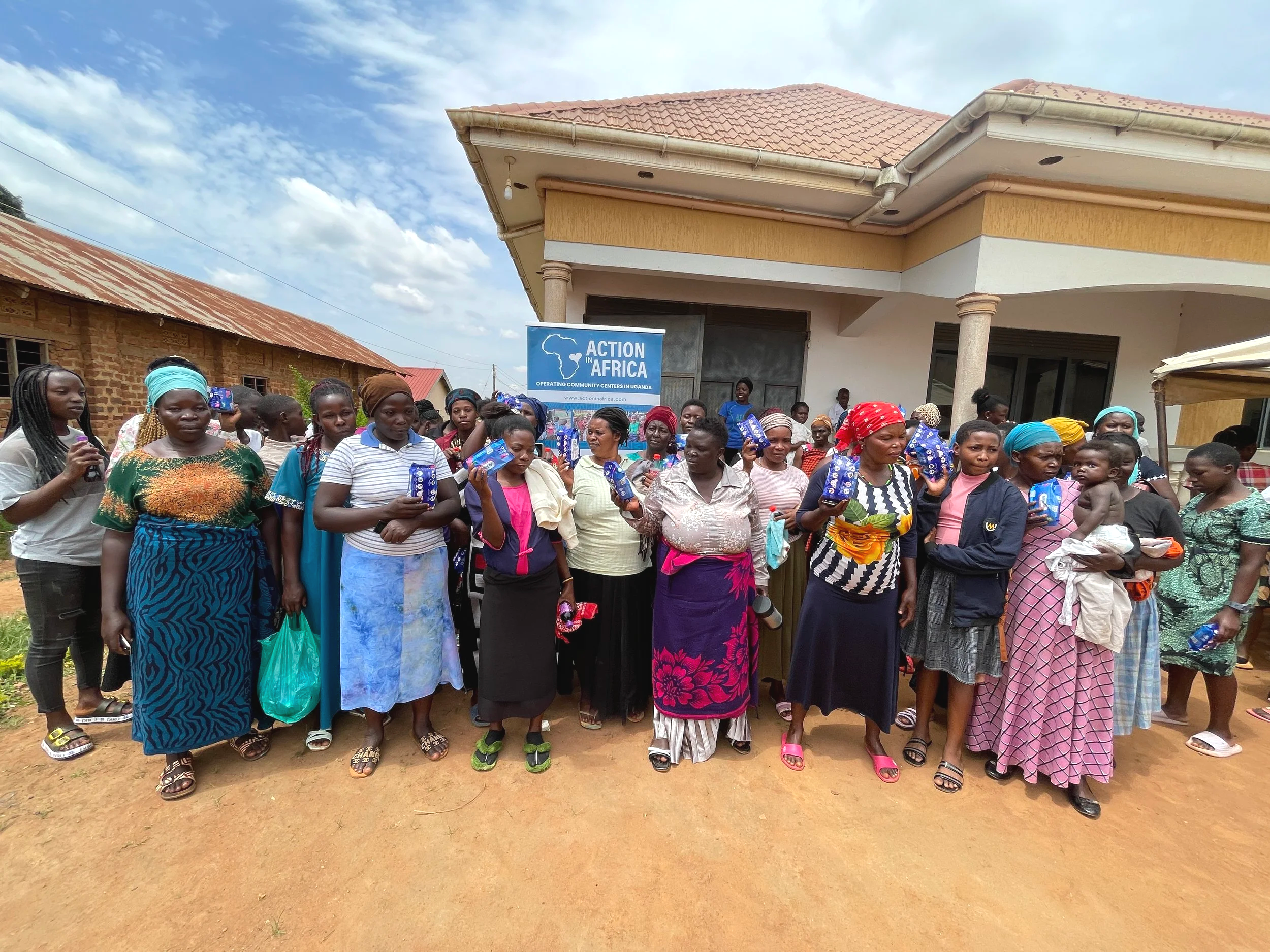
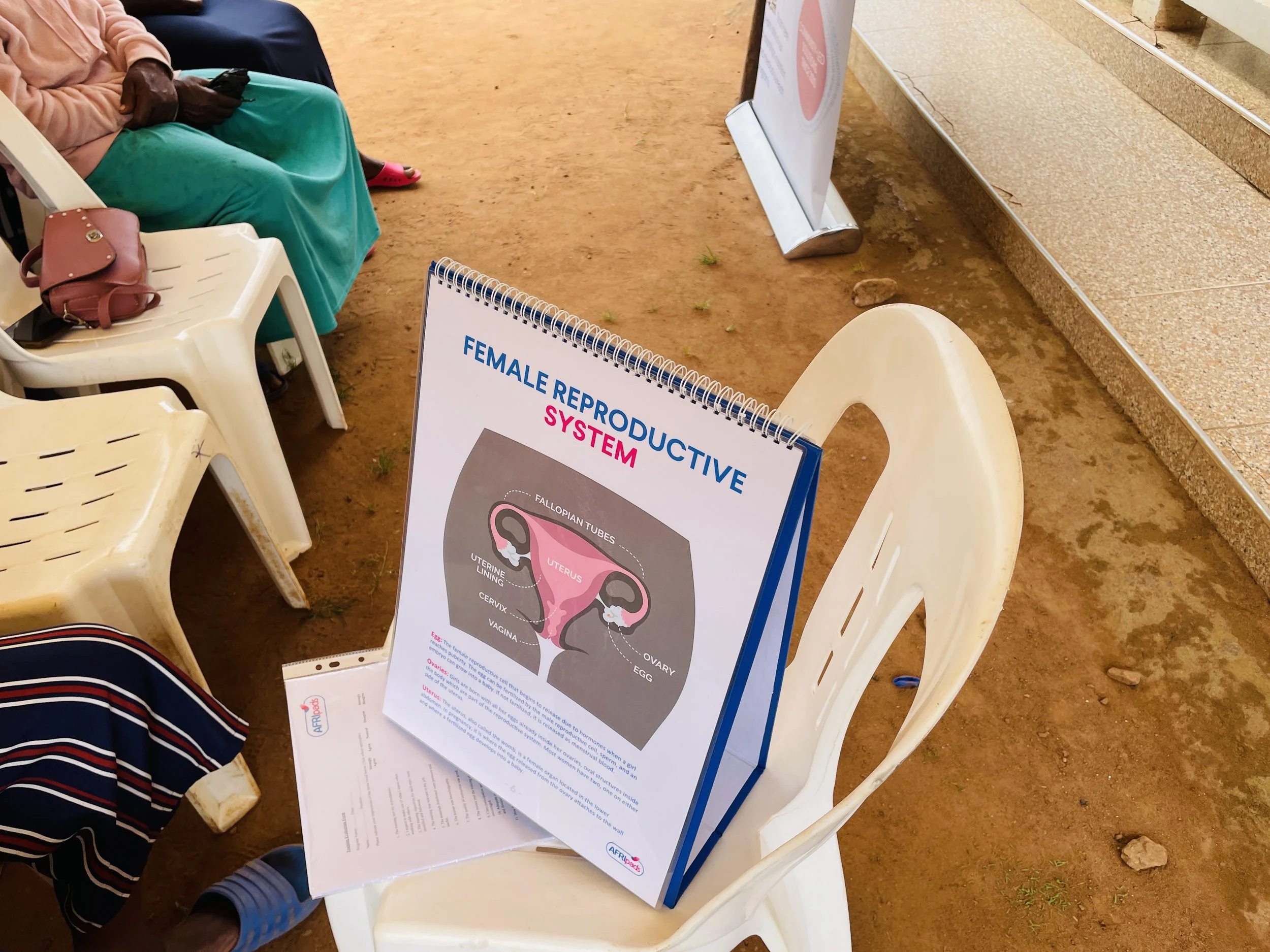
The two-hour session was filled with energy and insight. Participants, ranging from young girls to mothers and village leaders, came together to learn about menstrual hygiene management (MHM). The training covered the menstrual cycle, why and when menstruation occurs, and the physical and emotional changes that accompany it. It also addressed long-standing cultural misconceptions that often leave girls feeling “unclean” or ashamed during their periods. Participants received practical lessons on personal care, the importance of changing products regularly, safe disposal methods, and proper use of AFRIpads.
One of the highlights of the day was the hands-on demonstration. For many participants, this was their first introduction to reusable sanitary pads. Irene demonstrated how to properly secure, wash, dry, and store the pads. To keep the session engaging, the training also included a friendly competition in which participants who answered questions correctly received extra packs of pads, transforming the learning process into a celebration of knowledge.
“The level of engagement demonstrated a deep-seated hunger for this information. Seeing women move from shyness to confident participation shows how much we can achieve when we create safe spaces.”
While the distribution was a tremendous success, our work does not stop here. The overwhelming engagement proved that two hours is only enough to begin the conversation. Moving forward, our goal is to conduct regular sensitization sessions to keep these discussions alive, increase the supply of reusable products to reach even more vulnerable families in Sentema and Nakuwadde, and implement follow-up visits to support women as they transition to reusable pads.
We believe education is the ultimate equalizer. Through our targeted Menstrual Health Management (MHM) workshops, we are creating safe spaces where stigma is dismantled and confidence is built. These sessions are about more than biology; they are about dignity, empowerment, and opportunity. We are also expanding our efforts to support financially vulnerable members of the wider community by providing the resources they need to thrive both in and out of the classroom.
When we give a girl the tools to manage her period with dignity, we give her the power to stay in school, the confidence to lead, and the freedom to live without shame. We extend our deepest appreciation to the resilient women of Sentema for showing that menstrual health is a fundamental right, not a source of embarrassment or ridicule.
We are also deeply grateful to the donors who stand with us in supporting the women of Uganda through their contributions to Action in Africa. Your generosity drives this mission forward. We invite your continued support because every donation, no matter the size, makes a tangible difference in improving the health, dignity, and well-being of the women and girls we serve. Together, we are changing lives.