Why Medical Outreach Is Needed for Community Members in Nakuwadde, Uganda
If you walk through every corner of this village, you won’t find a single government hospital, meaning free services are nowhere to be seen. Instead, the area is surrounded by under-resourced private clinics and drug shops that charge more than most residents can afford, with 40% of community members unable to pay hospital bills. Even for those who manage to reach a hospital, the journey rarely ends there. Patients are often referred to national facilities such as Mulago or Kiruddu hospitals, which are overcrowded. In these settings, delayed attention and limited patient care can turn a treatable condition into a life-threatening situation within minutes, leaving the community in distress.
There is an 80% rising burden of infectious diseases, including malaria, hypertension, diabetes, maternal health risks, respiratory illnesses caused by dust and rain, and poor sanitation resulting from inadequate waste management due to high population density in Nakuwadde based on a 2022 report from the the Ministry of Health. Despite its geographic closeness to Kampala city, Nakuwadde remains critically underserved. This proximity to the capital has offered no protection against systemic neglect, leaving the community trapped in a cycle of inadequate healthcare and poor health outcomes.
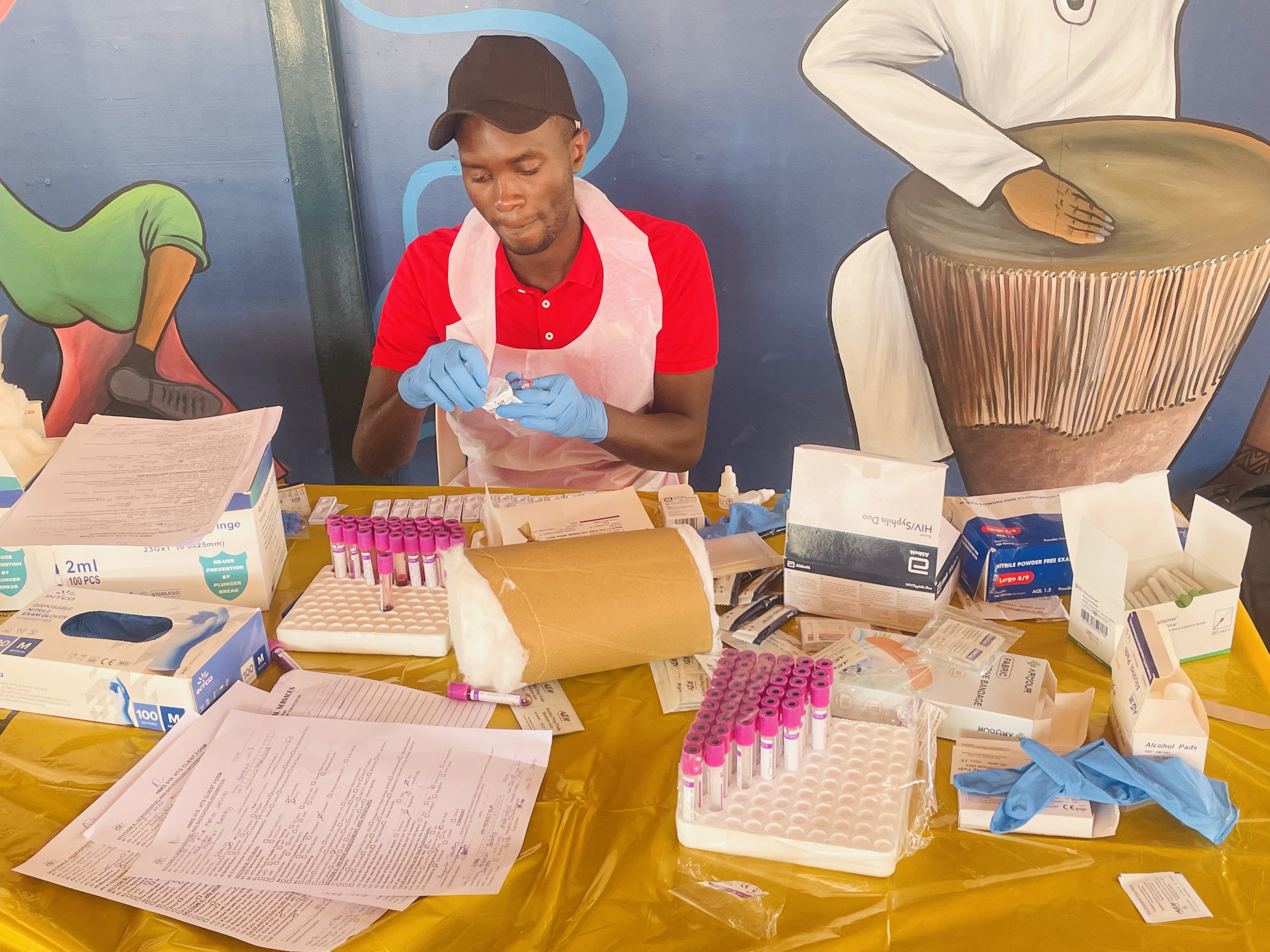
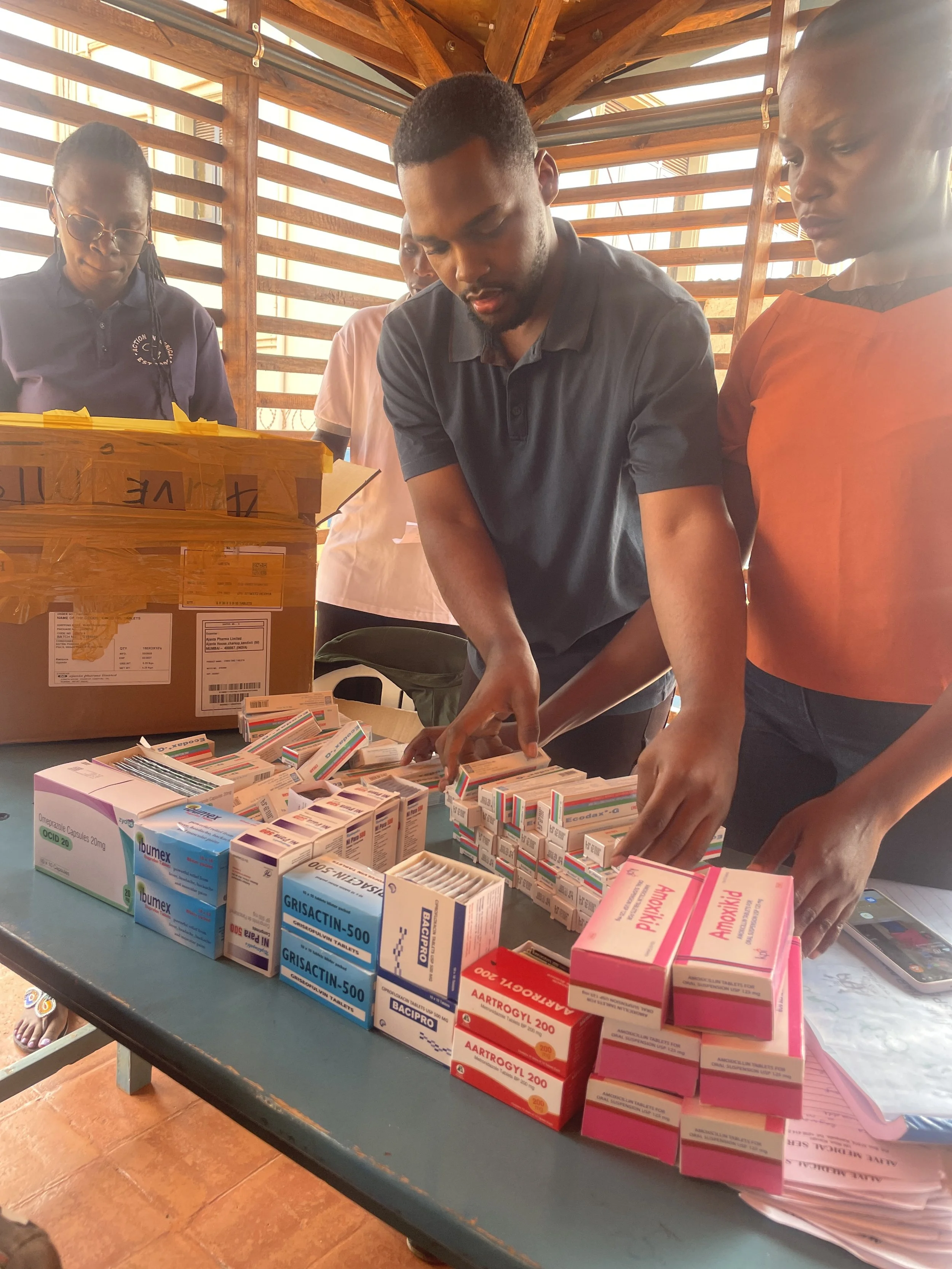
At Action in Africa (AIA), we are committed to implementing the UN’s Sustainable Development Goal 3: Good Health and Well-Being. We believe that community development can only thrive when built on a foundation of good health. Witnessing this struggle firsthand compelled us to act, leading us to organize three comprehensive medical outreaches each year to bring relief directly to the heart of Nakuwadde. Our first major medical outreach of the year took place on January 31st, 2026, at our center. Our gates opened early, and we were ready to begin immediately. A huge crowd was already waiting outside. Seeing so many people in line made it clear that the people of Nakuwadde and nearby areas have nowhere else to go for healthcare. That long line strengthened our determination to provide the best treatment possible.
In partnership with local healthcare providers—Alive Medical Services and Baris Healthcare—we transformed the Center into a high-functioning field clinic. Our goal was to provide more than just prescriptions; we wanted to offer dignity, education, and pathways to long-term wellness. Through general consultations and screenings, hundreds of residents received blood pressure and blood sugar checks—often the only screenings they receive all year. We conducted rapid testing for malaria, ulcers, and HIV, ensuring that those who tested positive were immediately connected to counseling and treatment plans.
Condoms were distributed to help protect the community’s health and safety. One of our most sought-after services was dental care, including free extractions, fillings, and oral hygiene education for individuals who had been living with chronic dental pain. As one community member, Nasaazi Prossy, shared: “I have been living with a painful tooth for nearly two weeks because I didn’t have the money for treatment. But today, I have finally received medicine for free.”
Cervical cancer screenings and family planning services were provided in a private and supportive environment. After consultations, patients received necessary medications—ranging from antibiotics to deworming tablets—as well as reusable sanitary pads for young girls from Afripads. To address the community’s critical lack of clean water, the distribution of water purifiers was prioritized as a key intervention in preventing waterborne diseases.
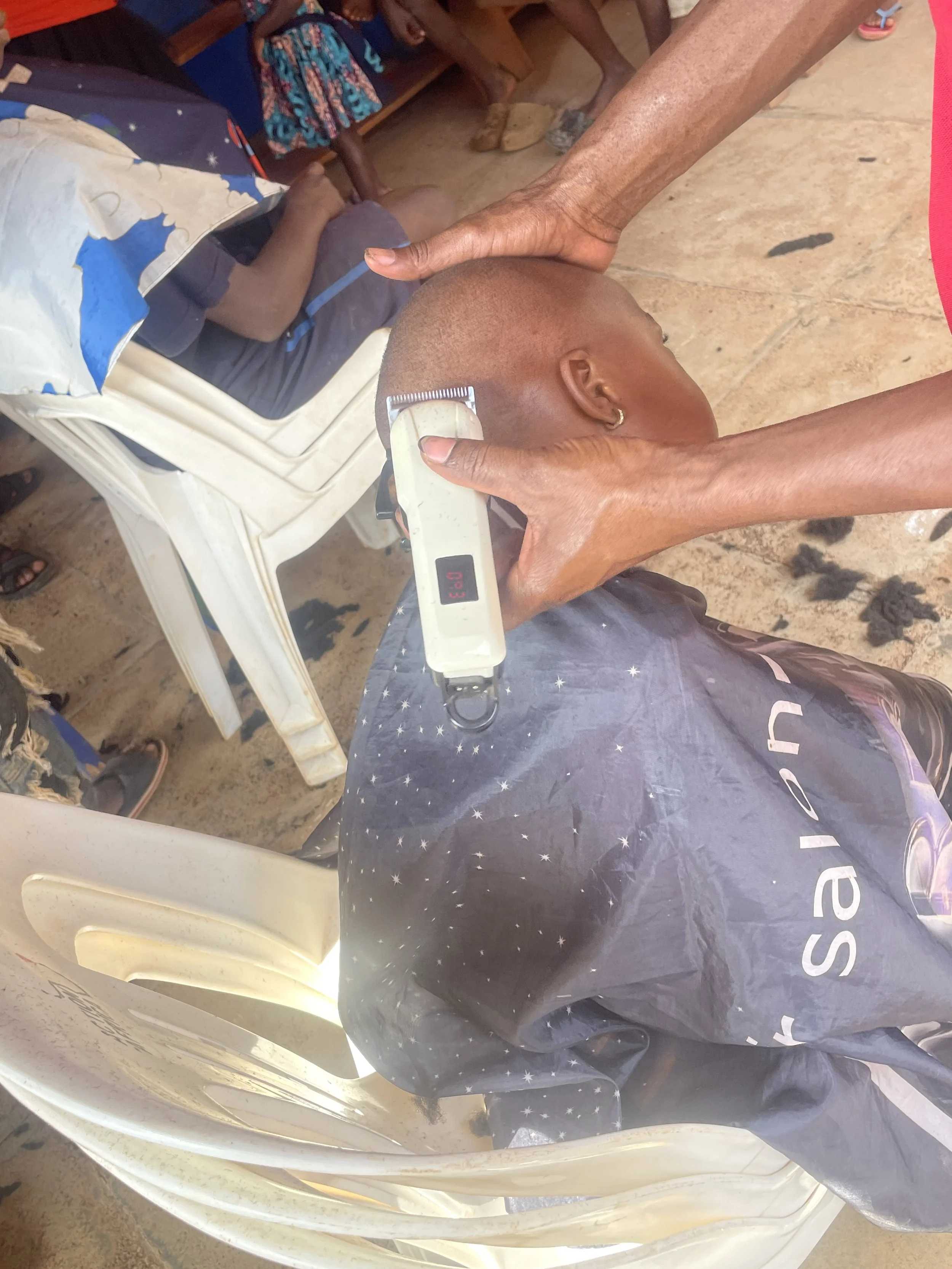
It wouldn't be an AIA outreach without the Community Barbershop. While parents were in consultations, over 170 children received free haircuts. In Uganda, neat haircuts are often required for school attendance, so this service helps our students head back to the classroom feeling confident and smart. This is usually done to maintain the children's cleanliness and to treat skin-related issues, including fungal infections like ringworm.
This outreach was only possible because of you—our dedicated donors, selfless supporters, and our incredible Ugandan medical team. To everyone who contributed to this mission, thank you for making January 31st a major milestone. But our work doesn’t stop here. We are already preparing for our next outreach in May to ensure that no one in Nakuwadde is left behind.