The Water Crisis in the Community of Nakuwadde
Two weeks. Zero water from the taps. Imagine that long wait. This is a regular occurrence for families in Nakuwadde. When the national water supply fails, the community is forced to turn to expensive alternatives. The price of a single 20-litre jerrycan can skyrocket. For a family on a tight budget, this isn't just an inconvenience; it’s a crisis. For poorer families, this means women and children spend up to three hours a day, time that should be spent in the classroom or at work, trekking to distant water points such as wells and boreholes, which are far from their homesteads and often unsafe for use.
With a population of almost 30,000 people, the Nakuwadde community appears to have access to multiple water options, namely national piped water, local springs, and boreholes. However, when you look closer, a different story emerges, one of unreliability, high costs, and health risks. At Action in Africa (AIA), we recently conducted a deep-dive assessment into the sustainability and safety of water in our community and partner schools.
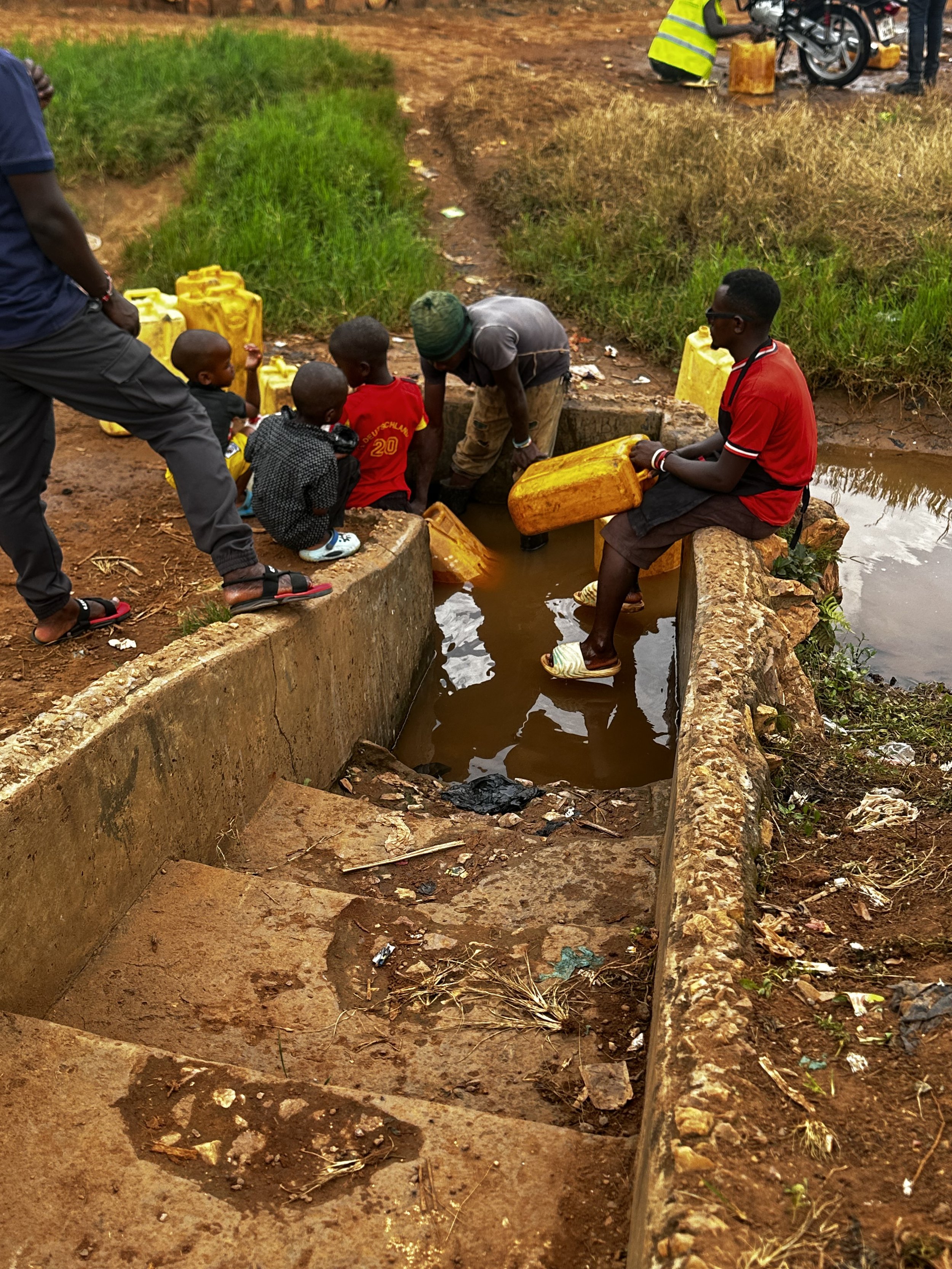
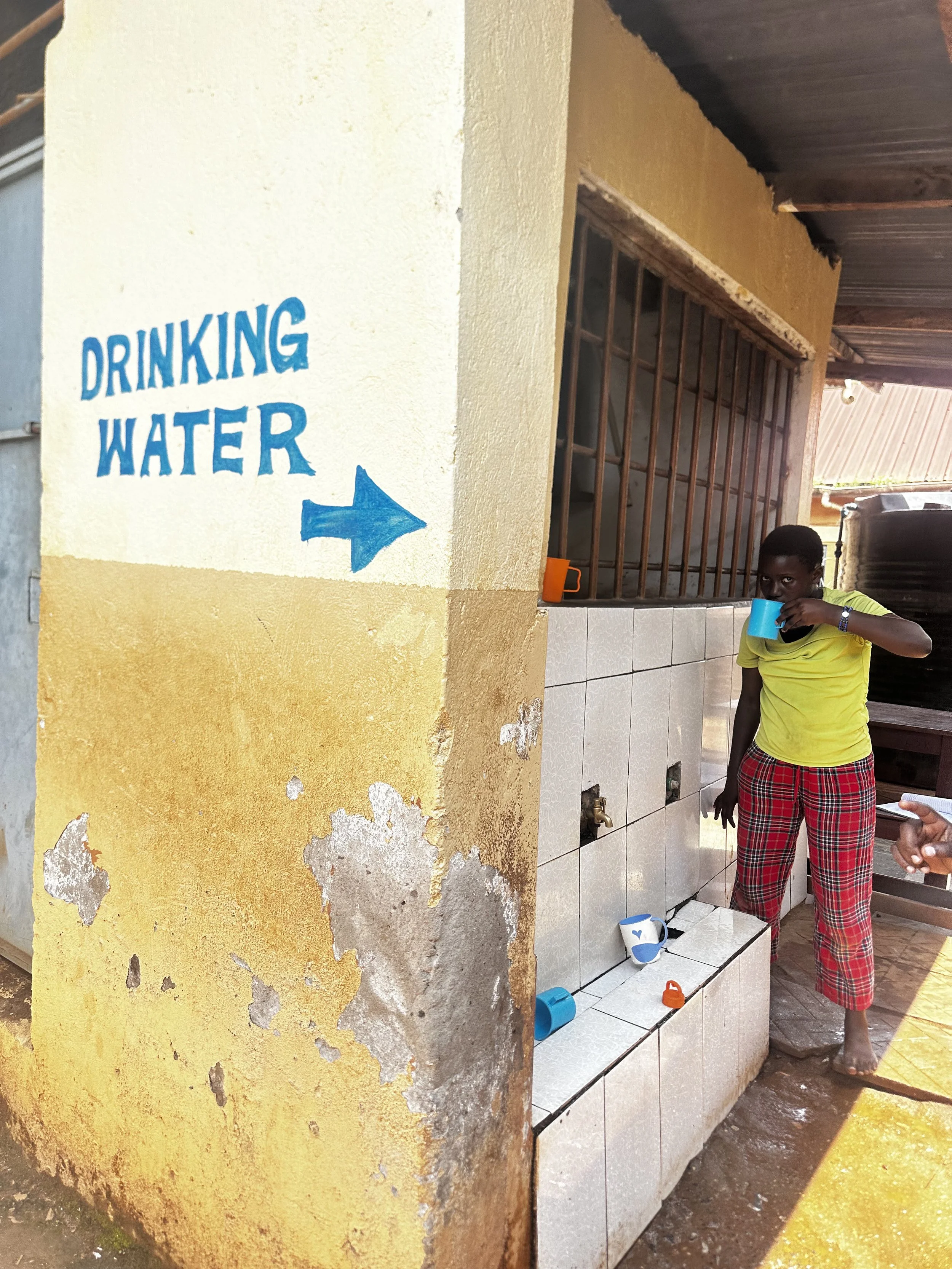
The assessment conducted in our four partner primary schools, Little Kings, Lady Jane Memorial Primary School, Strathern Primary, and Vision Foundation, revealed that while most schools have access to water for cleaning, safe drinking water is missing. Many schools resort to boiling water and cooling it in plastic cans. The lack of safe storage and the use of open pans pose significant health risks to students. From rainwater collected in old metallic tanks to systems that have not been serviced in over a year, water safety remains the main challenge.
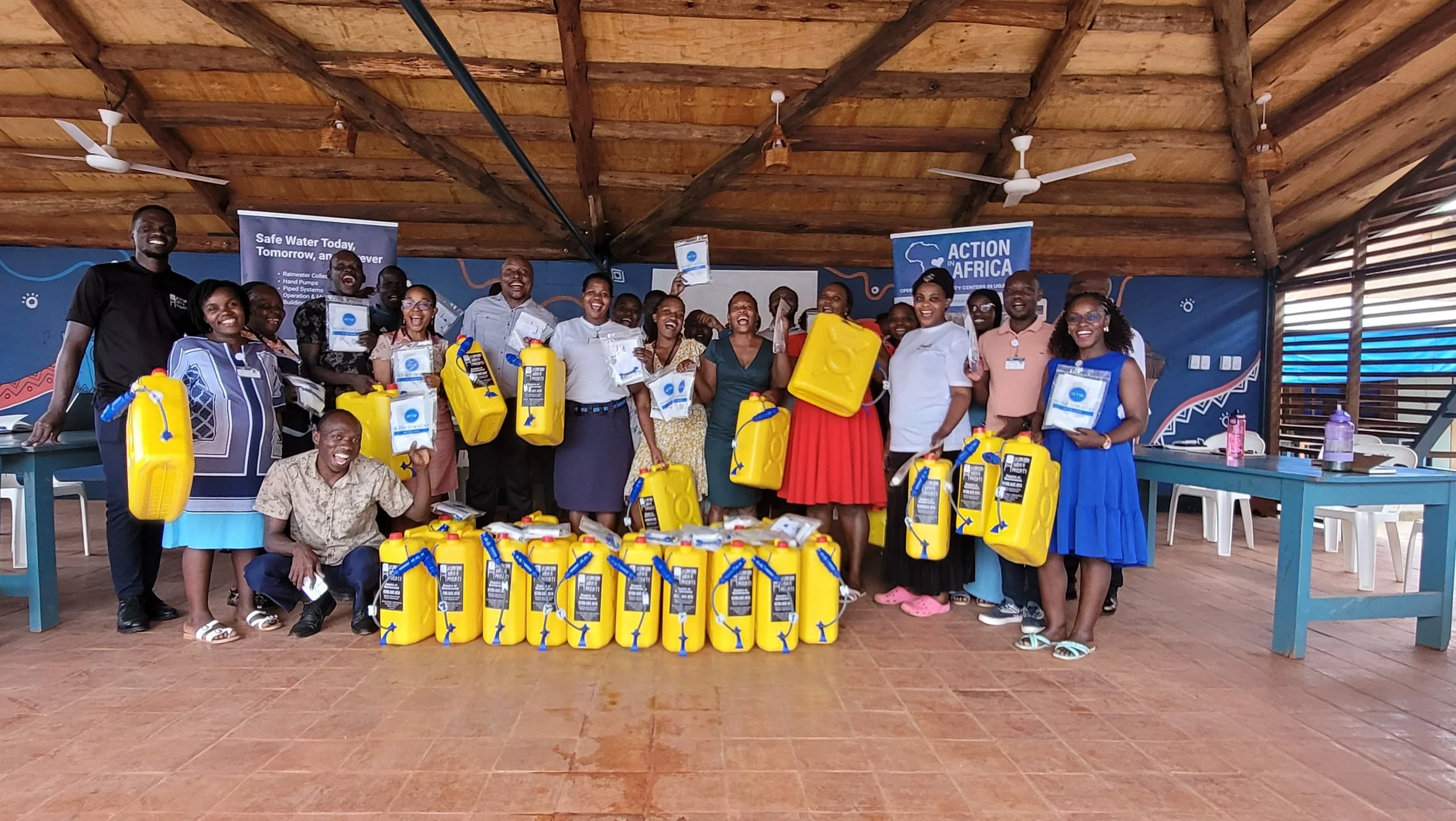
The biggest takeaway from our survey is that having water isn't enough if that water isn't safe. Waterborne diseases remain a constant threat because even when water is collected, it is not stored or treated properly. With local authorities facing budgetary challenges, the community is often left to manage on its own. In a joint effort to address local water challenges, AIA has partnered with the Ugandan Water Project. As an initial step in this collaboration, 25 water filtration kits were distributed to staff members. This pilot phase serves as a foundation for a broader initiative to scale clean water solutions across the entire community.
At AIA, we believe no student should have to choose between dehydration and a waterborne illness.
Our focus is now on assisting schools to shift away from plastic-can storage toward reliable, serviced filtration, helping schools maximise rainwater harvesting and safe storage, and ensuring the voices of Nakuwadde are heard by those who can influence infrastructure growth. In alignment with the UN Sustainable Development Goal 6, the provision of safe and accessible water is recognised not merely as a resource, but as a fundamental human right essential for global health and equity. We are committed to making that right a reality for everyone in Nakuwadde. Together, with your support, we can turn this noble vision into a global achievement.