
Men to Men: A How-to Guide for Living Well, Leading Well
Brought to you by Action in Africa Facilitator and Mental Health Counselor, Rotarian Kizito Julius
A Note Before You Begin
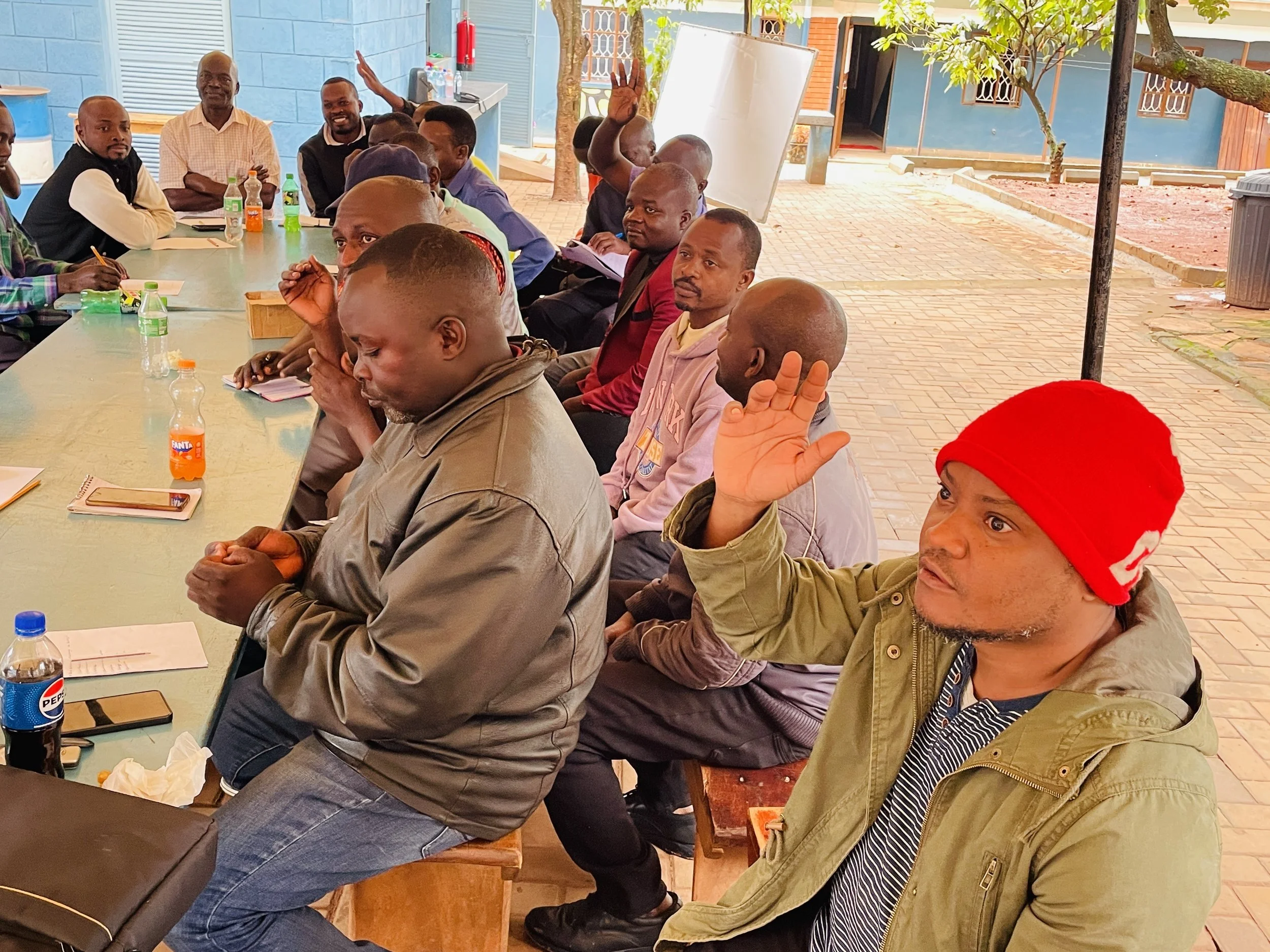
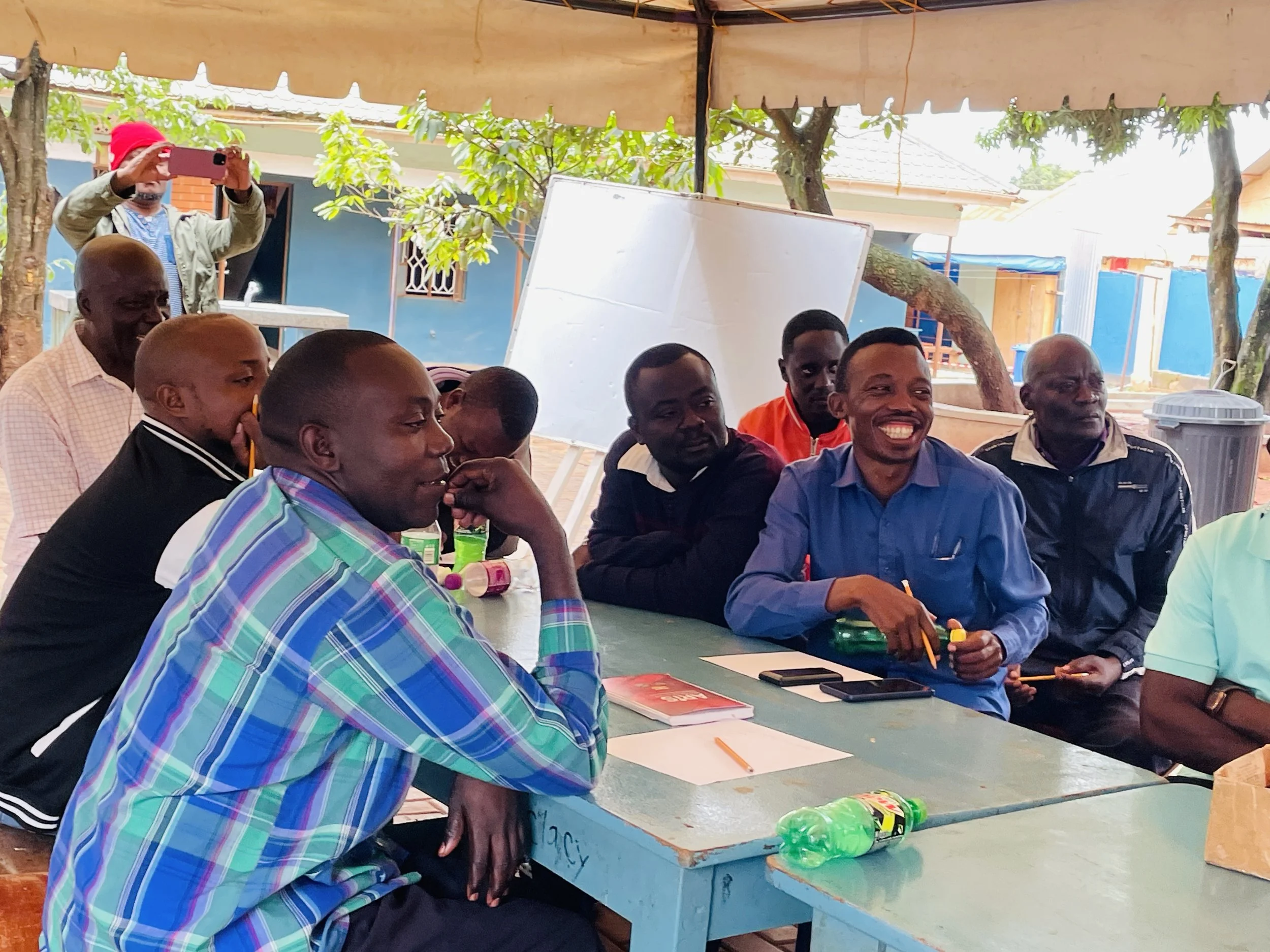
This guide to becoming a better man was built from real conversations from a recent men’s workshop at The Center at Action in Africa in Nakuwadde, Uganda. What came out of that room was remarkable: stories of grief carried in silence for years, of the overwhelming pressure of providing for a family, of not knowing how to reach a struggling child.
These men are fathers, husbands, and community members, navigating the same tensions that men around the world face. And the simple act of talking openly about it changed something for them.
This guide takes what they learned and puts it in your hands. Use it on your own. Use it in a group. Come back to it when things get heavy.
"If we can have more sessions like this, men will learn how to handle their problems properly, and their families will feel it."— Participant, Men to Men Session, Action in Africa, 2026


Part One: Understanding Mental Health
What Mental Health Actually Is
Mental health is not a crisis diagnosis or a clinical label. It is how you feel, how you think, and how you function, every single day. Just as your body can get sick, your mind can struggle too. And just like a physical illness, mental health challenges are real, common, and treatable.
Mental health affects anyone, including strong, successful, high-functioning men. The pressure to always appear strong is, in fact, one of the main reasons men suffer longer than they need to. Research consistently shows that men are significantly less likely than women to seek help, and significantly more likely to die by suicide. That gap is not biological. It is cultural. And it can change.
The Pressure Builds Silently
Here is a simple way to understand what happens when we ignore what is going on inside:
Picture a bottle of soda. Every time something hard happens: a conflict at home, financial stress, grief, exhaustion at work… It is like someone shaking that bottle. As long as the cap stays on, the pressure keeps building silently. You cannot see it from the outside. The bottle looks fine.
Until it does not.
For men, that "explosion" can look like:
Sudden rage or emotional outbursts
Turning to alcohol or substances to cope
Shutting down and withdrawing from family
Physical symptoms like chronic headaches, high blood pressure, insomnia
In the most serious cases, thoughts of ending one's life
The solution is not to be stronger. The solution is to release the pressure gradually through honest conversation, rest, and early support.
Warning Signs to Know
In yourself or someone you care about:
Persistent sadness, emptiness, or hopelessness
Losing interest in work, relationships, or things you used to enjoy
Sleeping too much or too little
Increased irritability, anger, or social withdrawal
Using alcohol or substances more than usual to get through the day
Thoughts of giving up or not wanting to be here
These are not signs of weakness or failure. They are signals that something needs attention, the same way chest pain is a signal your heart needs attention.
Four Myths That Keep Men Stuck
Myth: "Mental health problems only affect weak people." Reality: They affect anyone regardless of success, status, or toughness. Recognizing a problem and addressing it is itself an act of strength.
Myth: "Men don't get depressed, they just get angry." Reality: Anger, irritability, recklessness, and withdrawal are all common ways depression shows up in men. If you would not dismiss chest pain, do not dismiss these either.
Myth: "Therapy is for people who can't handle their own problems." Reality: Therapy is a tool. Athletes use coaches. Executives use advisors. Using professional support to work through emotional challenges is no different.
Myth: "Talking about it makes it worse." Reality: Talking, sharing, and being heard reduces symptoms, builds connection, and prevents crises. Silence is what makes things worse over time and without warning.
Part Two: Work–Life Balance
Why It Matters
A man who only works and never rests will eventually break — not because he is weak, but because that is simply how human beings are built. Think of a car that is never refueled. It does not matter how powerful the engine is. It will stall.
Work-life imbalance leads to:
Chronic irritability and short-fused reactions at home
Health problems — high blood pressure, sleep disruption, exhaustion
Emotional distance from your children and partner
A home that feels like another source of pressure instead of a place of recovery
Good balance gives you:
More energy for the people who matter most
Greater patience and presence as a father and partner
A household that is calmer, more connected, and more resilient
Practical Tools You Can Use Now
You do not need a vacation or a complete life overhaul. Small, consistent habits create real change.
Set boundaries and keep them
Choose specific evenings each week to be fully home — phone down, mentally present
Protect time after dinner from work calls, emails, and business conversations
Be honest with yourself about when "just checking my phone" becomes an hour
Take short recovery breaks during the day
A 10-minute walk outside, even just around the block
Light stretching between tasks
A few minutes of intentional breathing before a difficult conversation (see Box Breathing below)
Build a family routine
One meal a day together, without screens (make it non-negotiable).
A simple check-in at dinner: "What was one good thing about your day?"
Let your kids see you rest and recharge and say it out loud. "Dad needs some quiet time to reset." You are modeling something important.
Stay physically active
You do not need a gym membership. Walking, shooting hoops, weekend hikes, playing with your kids… it all counts
Even 20 minutes of movement a day measurably reduces stress and improves mood
The goal is consistency, not intensity
Part Three: The Box Breathing Tool
When you feel overwhelmed, before responding to your partner in anger, before a difficult conversation, during a stressful commute, or when anxiety starts to build, use this technique. It takes under two minutes and can be done anywhere, without anyone noticing.
Box Breathing:
Breathe in through your nose for 4 slow counts
Hold for 4 counts
Breathe out through your mouth for 4 counts
Hold empty for 4 counts
Repeat 2–3 cycles.
This is not a wellness trend. It works directly with your nervous system to slow your heart rate and calm the stress response. Navy SEALs use it before high-pressure situations. You can use it before a tough conversation with your teenager.
Practice it daily, even when you are not stressed, so it becomes automatic when you actually need it.
Part Four: Responsible Fatherhood
What Your Kids Need Most From You
The research is clear: a father's emotional availability, not just his physical presence or financial provision, is one of the strongest predictors of a child's mental health, academic performance, and long-term wellbeing.
Your kids do not need you to be perfect. They need you to be present.
Here are six core skills any father can practice, starting today:
1. Active Listening When your child talks to you, stop what you are doing. Make eye contact. Let them finish. Ask open questions: "How are you feeling about that?" A child who feels heard will keep talking to you — and that open door is the most important thing you can give them as they grow up.
2. Emotion Coaching When your child is upset, resist the urge to immediately fix it or tell them to calm down. First, name what you see: "I can see you're really frustrated right now." Then normalize it: "That makes sense. That would be hard." Then problem-solve together when they are calm. This teaches emotional intelligence, one of the highest predictors of success in adult life.
3. Loving Discipline Discipline is not punishment. It is teaching. Set clear expectations, follow through consistently, and always explain the reason: "I love you, which is why this matters." Natural consequences are more effective and less damaging than anger-driven reactions.
4. Quality Time Quantity of time matters less than quality. Thirty minutes of fully engaged, distraction-free time with your child is worth more than an entire day of being in the same house but mentally elsewhere. Let them lead sometimes. Play their game. Watch what they are into. Show up curious about their world.
5. Modeling Balance Your children are absorbing everything you do. When you rest without guilt, set a limit, take a walk, or talk calmly through a disagreement, they are learning. Fathers who model emotional regulation raise children who can regulate their own emotions. It is the most powerful form of parenting there is.
6. Praise More Than You Correct Research suggests a ratio of at least five positive interactions for every one correction builds the trust and confidence children need to receive discipline well. Notice good behavior. Name it specifically: "I saw how patient you were with your brother today. That was really mature." That kind of recognition shapes character.
Part Five: Seeking Help
What Getting Help Actually Looks Like
For many men, "getting help" conjures an image of lying on a therapist's couch once a week for years. That is one option, and a good one, but help exists on a spectrum:
An honest conversation with a trusted friend or mentor
A men's group or faith community where real talk is welcomed
A single session with a counselor to work through a specific stressor
A call to a crisis line when things get serious
Regular check-ins with your doctor about how stress is affecting your body
Start wherever you can. The goal is not perfection. It is movement in the right direction.
When to Act Immediately
If you or someone you know is:
Withdrawing completely from people they care about
Using substances heavily just to get through the day
Expressing thoughts of not wanting to live
Do not wait. Reach out to a mental health professional, a trusted person in your life, or a crisis resource.
Early help is almost always faster, less painful, and less costly than waiting for a crisis.
Part Six: How to Run a Men's Group
This section is for anyone who wants to bring men together for honest, productive conversation: in a church, a community center, a workplace, or a living room.
What Makes a Men's Group Work
The sessions Action in Africa runs in Uganda are effective because of a few core principles that translate anywhere.
Build safety before diving into content. Men will not open up in an environment that feels risky or judgmental. Start every session with clear ground rules, stated out loud:
What is shared here stays here
One person speaks at a time
No judgment! Every experience is valid
Phones away or on silent
Break the ice with something light. Before any serious discussion, use a simple activity to lower the temperature. A name-and-one-thing-about-yourself circle, a quick game, a fun question, anything that gets men talking before the heavy stuff. It sounds small. It makes an enormous difference.
Use stories and images, not lectures. Men respond to concrete analogies and real examples far more than abstract clinical language. The soda bottle image, the car and fuel image — simple pictures communicate complex ideas in ways that stick long after the session ends.
Invite experience, not just opinions. After introducing a topic, ask: "Has anyone here dealt with something like this?" When one man shares honestly, others follow. The most powerful moments in any men's session come from the participants themselves, not the facilitator.
Honor emotion when it shows up. When a man shares something painful like a loss, years of quiet struggle, something he has never said out loud before, let the room hold it. Do not rush past it. Acknowledge it. Thank him. Then continue. That moment will stay with everyone in the room.
Close with commitments, not conclusions. End every session by asking each man to name one thing he will do differently this week at home, at work, or in himself. Small, spoken commitments made in community are far more likely to be kept.
Suggested Topics for Men's Sessions
Mental health basics and breaking the stigma
Managing stress and building work-life balance
Fatherhood presence, discipline, and emotional connection
Communication in relationships and marriage
Grief and loss: how to carry it without letting it carry you
Alcohol and substances: honest conversation without shame
How to support a friend or family member who is struggling
Daily Reminders
Keep these close:
Rest is not laziness. It is how you stay strong for the long haul.
Talking is not weakness. It is how you release the pressure before things explode.
Your kids need your presence more than your perfection.
Getting help early costs far less than waiting for a crisis.
You are not the only one carrying something heavy. Find your people.
Who We Are
Action in Africa is a nonprofit organization working at the intersection of education, family wellness, and community development in Uganda. Our core belief is simple: a child cannot thrive in a broken home.
We have seen this truth play out time and again. When a father is overwhelmed, isolated, or struggling silently, it ripples outward into his marriage, his parenting, his children's sense of safety, and ultimately their ability to show up and learn at school. When a mother carries the weight of an unsupported household alone, her children feel that weight too.
This is why we invest in the whole family ecosystem. One of the most powerful things we can do for a child's education is ensure the adults around them are healthy, present, and equipped.
Action in Africa is a nonprofit working in Uganda to give children access to quality education by strengthening the families and communities around them. Our programs support children, mothers, and fathers because lasting change for kids begins at home.
We believe that when men are well, families are well. And when families are well, children learn.