
In Uganda, limited career guidance from parents often leaves children choosing school subjects, tertiary courses, and jobs based on outdated expectations or exam grades rather than their strengths and labor market demand. Educators and policy reports note that this gap contributes to skills-job mismatches and youth unemployment.
Many parents pressure their children to pursue demanding degrees such as Law, Engineering, or Medicine and Surgery without first considering their academic strengths and capabilities. In some cases, parents issue ultimatums, refusing to pay tuition unless their child enrolls in one of these prestigious programs. Meanwhile, a student might excel in a field like Film and Drama, where their true abilities and interests lie. Because of these financial pressures, many students end up pursuing degrees they are ill-suited for, only to abandon those careers later in life to follow their true passions.
Why Career Guidance from Parents Is Often Lacking
Parental career guidance often falls short due to a combination of social expectations, economic realities, and systemic gaps. Many parents steer their children toward traditional, prestigious degrees like medicine, law, or engineering, or expect them to follow in their own professional footsteps. Some also stigmatize high-demand vocational, agricultural, and entrepreneurial paths, regardless of their children's natural abilities.
Furthermore, working long hours to provide for their families leaves parents with little time for meaningful career conversations. When they do offer advice, it is frequently rooted in outdated job trends that overlook Uganda's rapidly evolving economy. Compounding these challenges is an over-reliance on schools to handle career planning, despite many Ugandan institutions lacking dedicated counselors, structured guidance programs, and up-to-date industry data.
Effects on Children
When career discussions are delayed until application deadlines rather than starting early, students often make rushed, poorly matched O-Level, A-Level, or university choices that fail to align with their natural abilities and long-term goals.
Ultimately, this lack of early planning can lead to career dissatisfaction and wasted family resources, as parents spend their hard-earned money on tuition for programs that result in low student engagement and limited job prospects after graduation.
Practical Advice We Shared with Parents
To effectively guide their children, parents should start career conversations early, exploring interests, strengths, and work options well ahead of national exams or course selection deadlines. Rather than relying solely on academic cut-off points, parents should balance grades with their children's genuine passions and natural abilities.
During school holidays, exposing young people to real-world work through family businesses, farming, volunteering, or hands-on skills can help build practical habits and a realistic understanding of the workplace.
Finally, partnering with teachers, career masters, and professionals across various industries allows parents to compare career pathways and educational costs, helping them make well-informed decisions about their children's futures.
How We Are Addressing This Growing Challenge
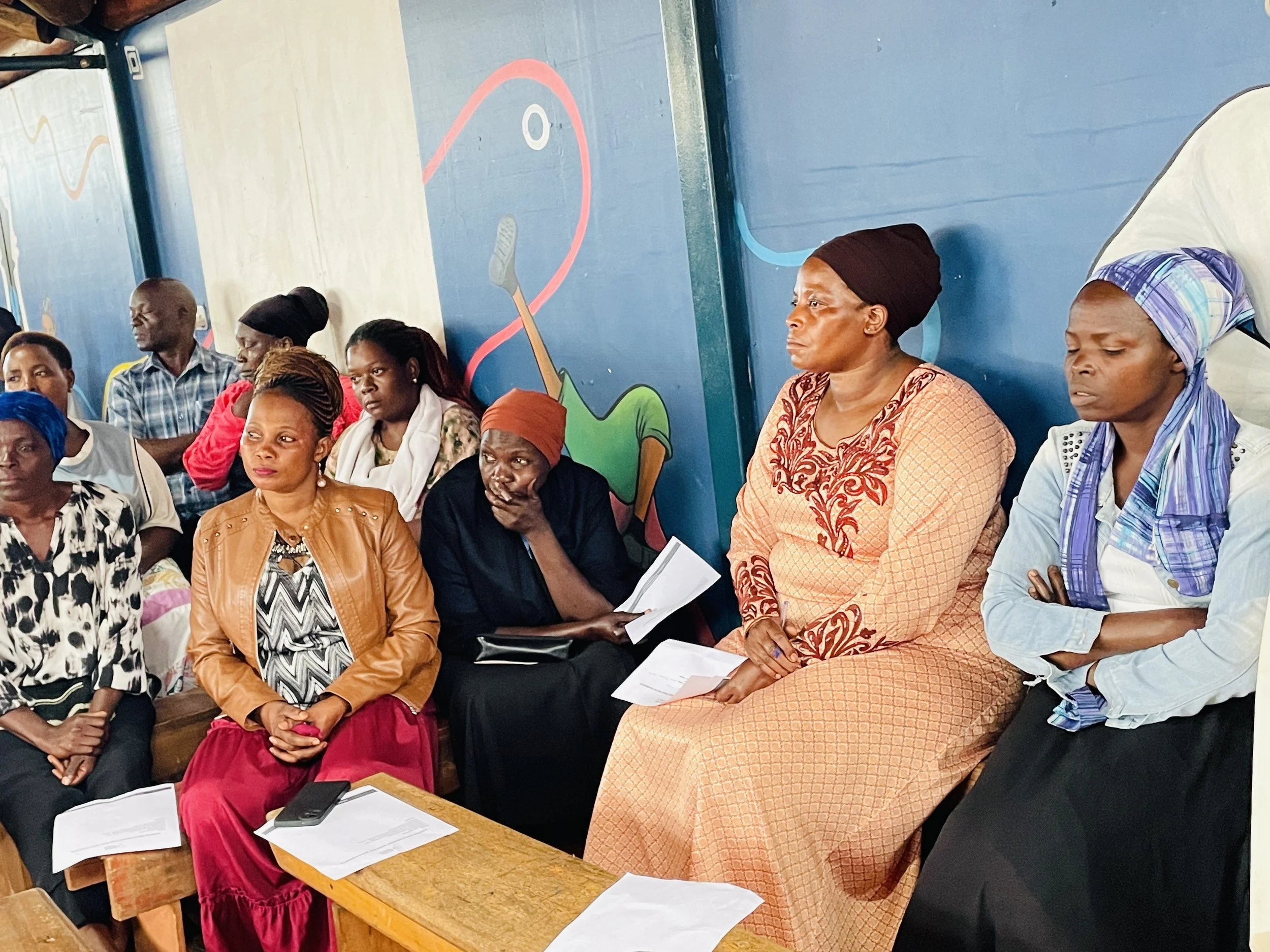
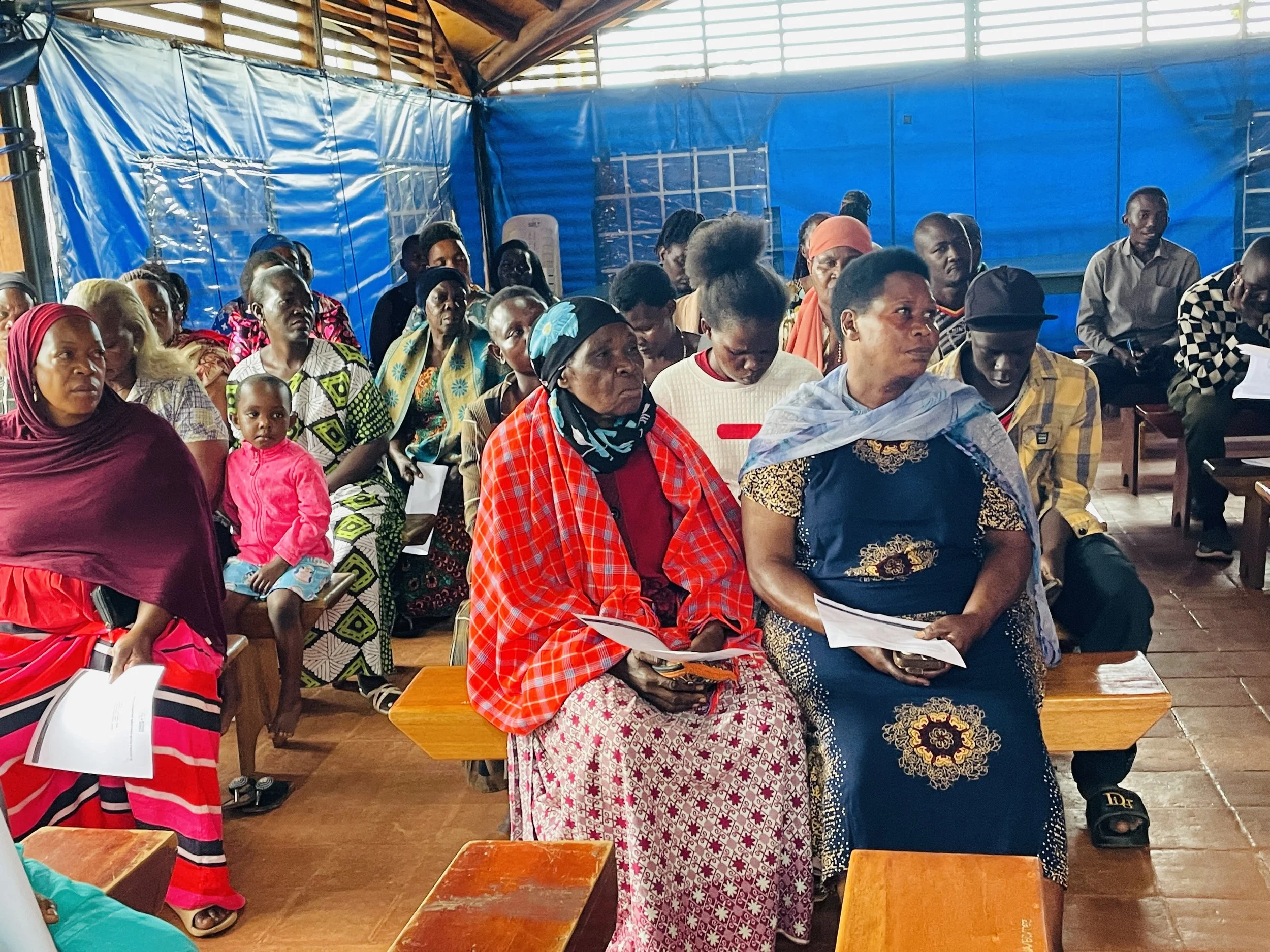
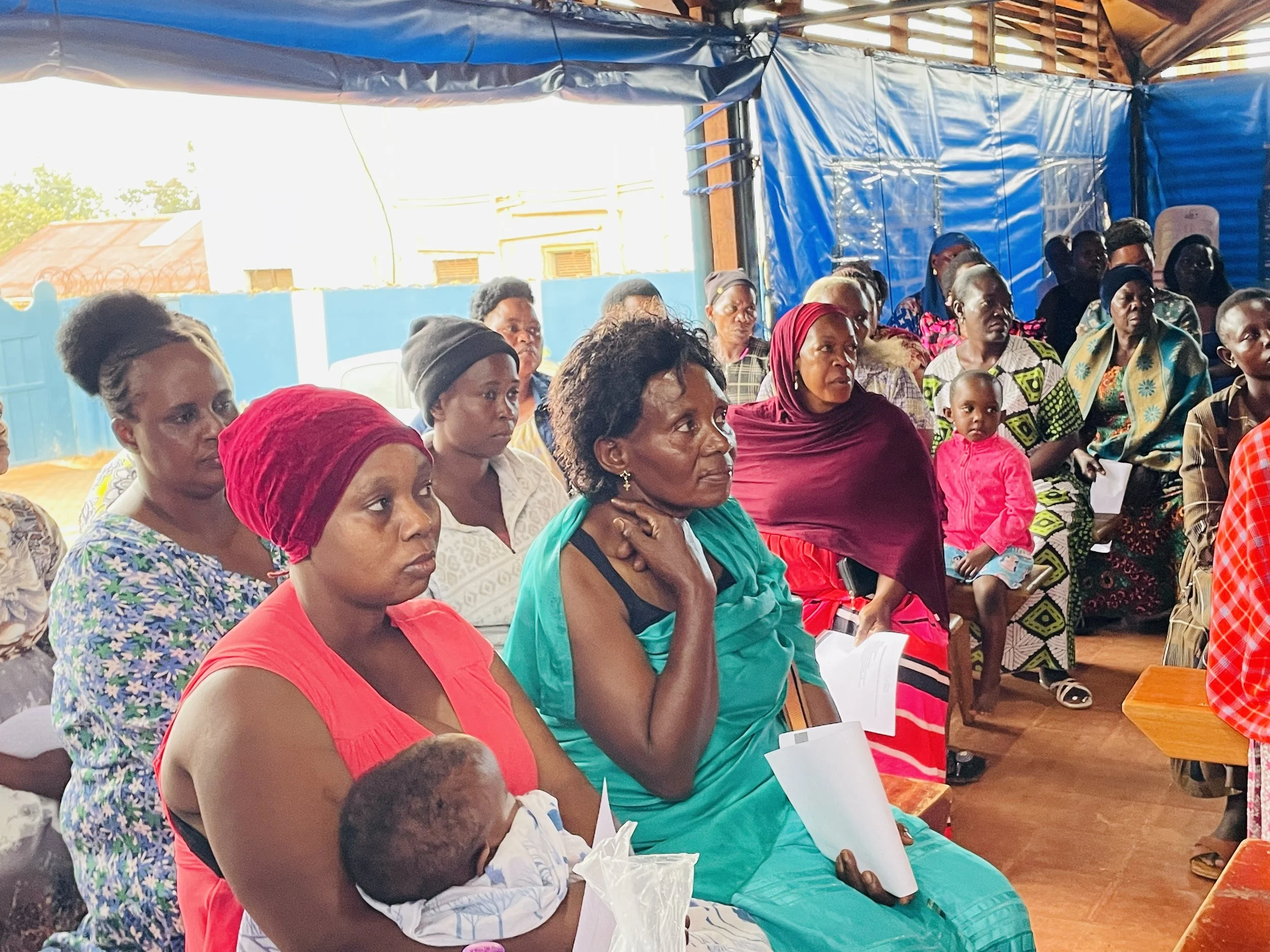
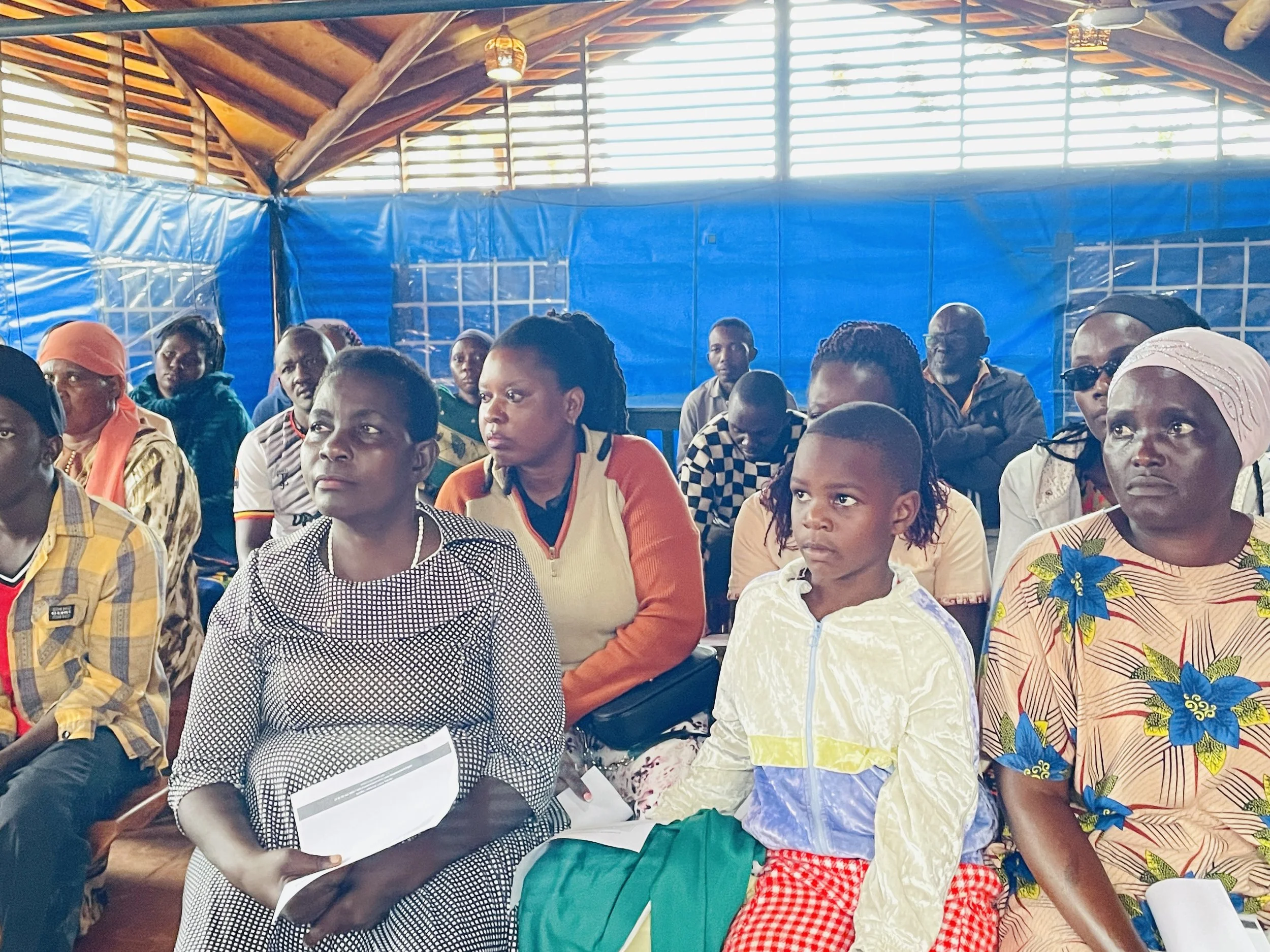
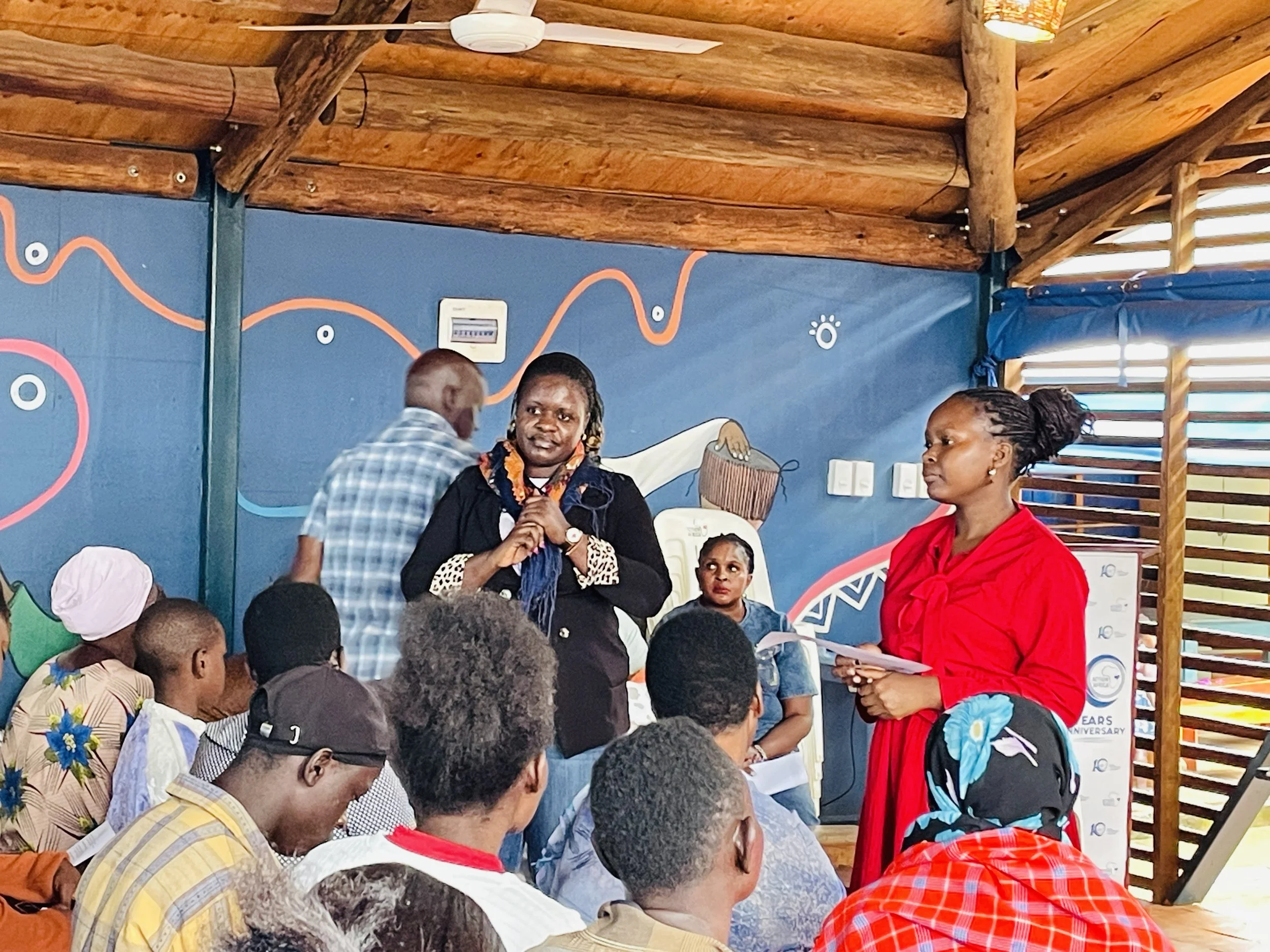
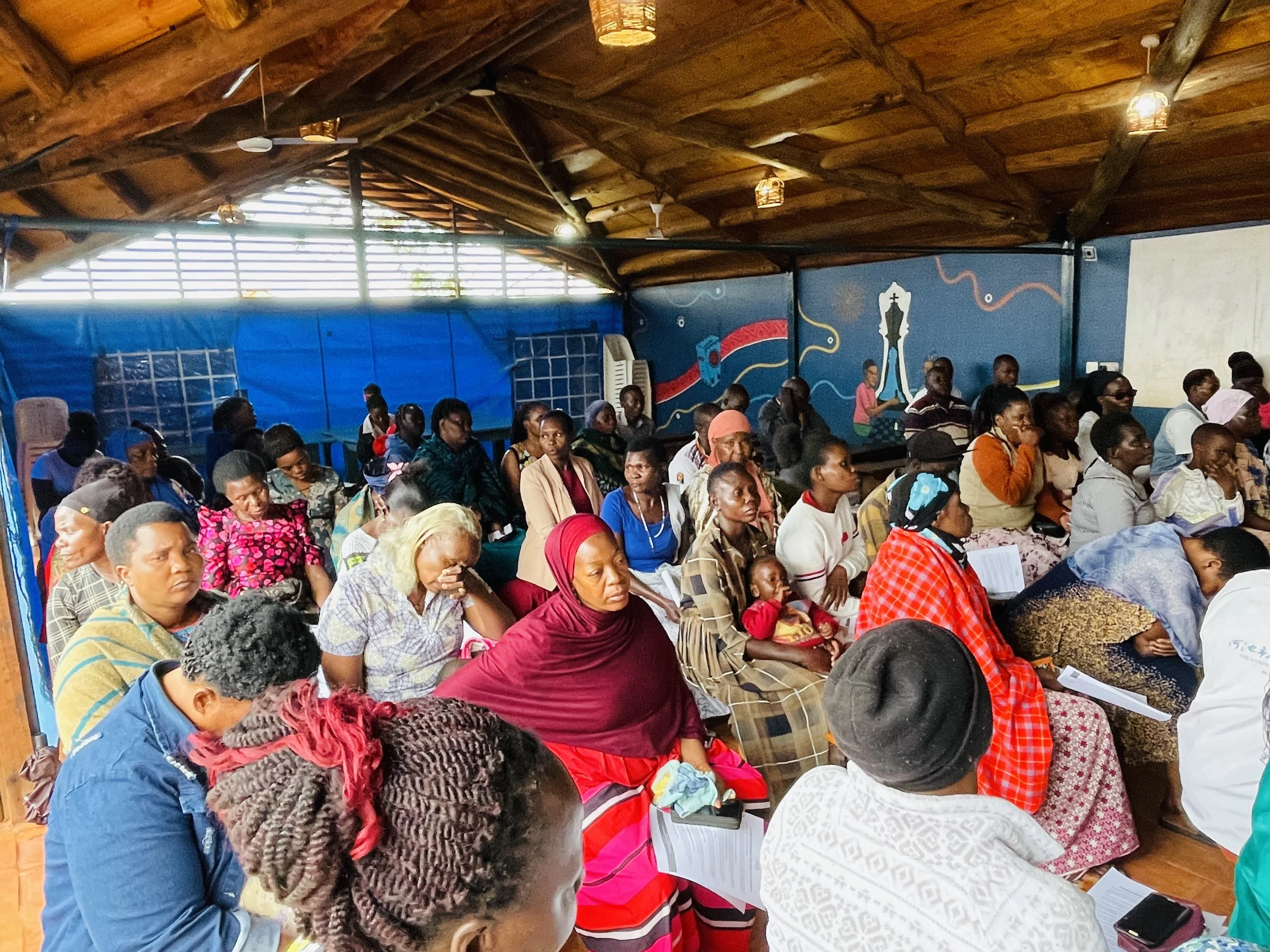
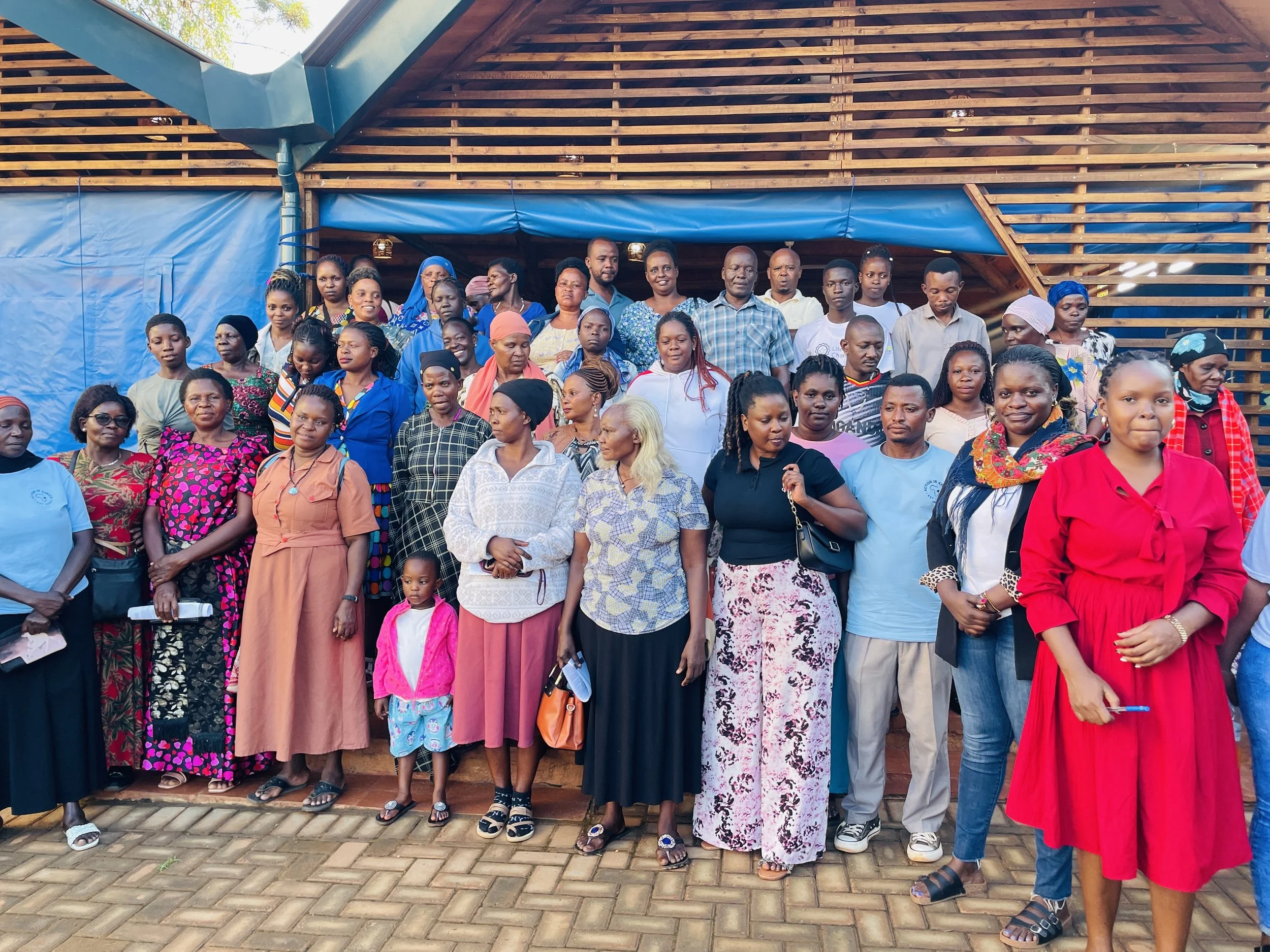
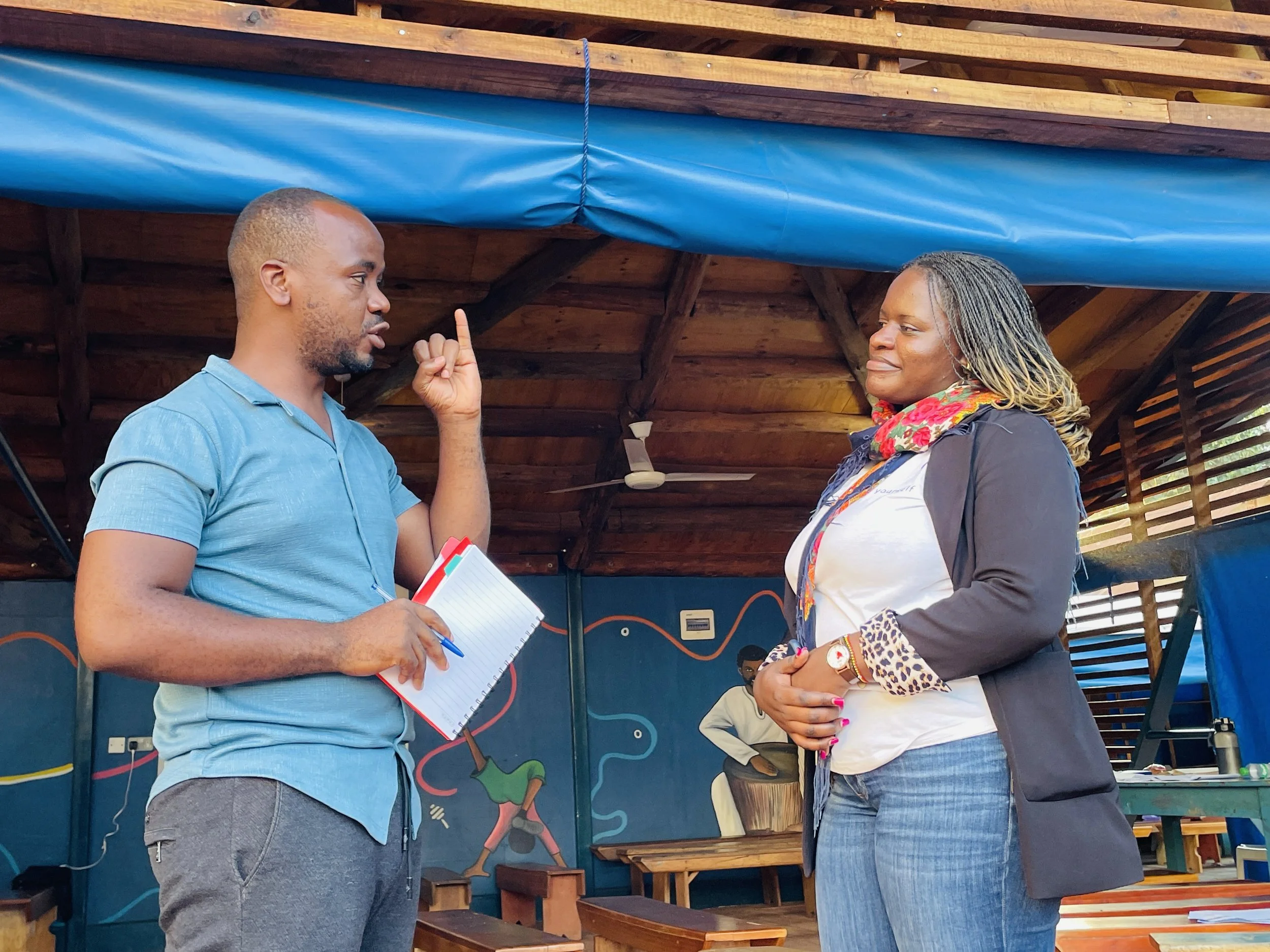
At Action in Africa, our deep commitment to our students' futures and long-term career growth inspired our Career Guidance Coordinator, Faith Seera, to host a parent engagement meeting at the Center on Saturday, November 14. The session was designed to clarify parents' roles in their children's career development and help them intentionally support the self-discovery process as students align their personalities, strengths, and interests with future career paths.
Additionally, the meeting equipped parents to navigate class and academic transitions, interpret the Competency-Based Curriculum (CBC) grading system, foster safe and meaningful holiday environments at home, and understand the ongoing support available through our Career Guidance Coordinator.
Parents' Feedback
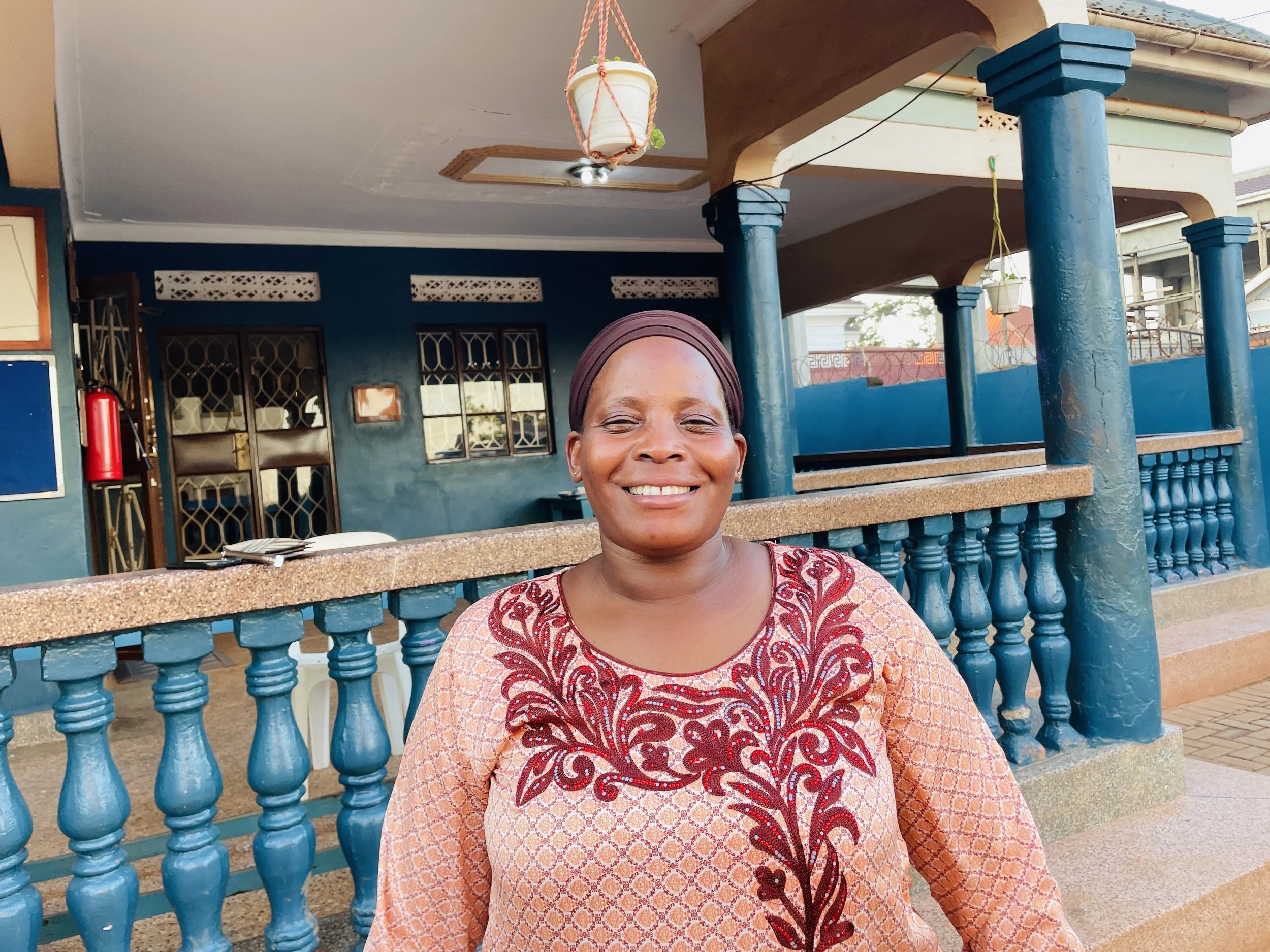
Masitula Nakalule |
Parent of Namakula Shabrah, Secondary Scholarship Student
“Today, I have learned that instead of getting annoyed with our children, we should sit them down and support them. Discipline must come first, especially at home, because discipline truly starts at home. We also need to be honest with our children. If my daughter has done something wrong, I must correct her where necessary rather than staying quiet and letting her continue on the wrong path.
I have also learned the value of collaboration, teamwork, and encouraging our children to be creative in whatever they do. Initially, I wanted my daughter to become a doctor, but after talking with her, I realized she wants to study business, specifically majoring in procurement and logistics. I have also noticed she is a great communicator who would make a wonderful journalist.
Since we have been taught not to force courses on our children, we are going to sit down together and discuss what she will pursue at university. Personally, I want to thank Action in Africa. As someone who regularly attends programs at the Center, this session was a great refresher on the lessons we are always taught here. Thank you for advising us before it is too late. We never want our children to turn around and say, 'Mummy, you are the one who forced me into this course,' when it is already too late."
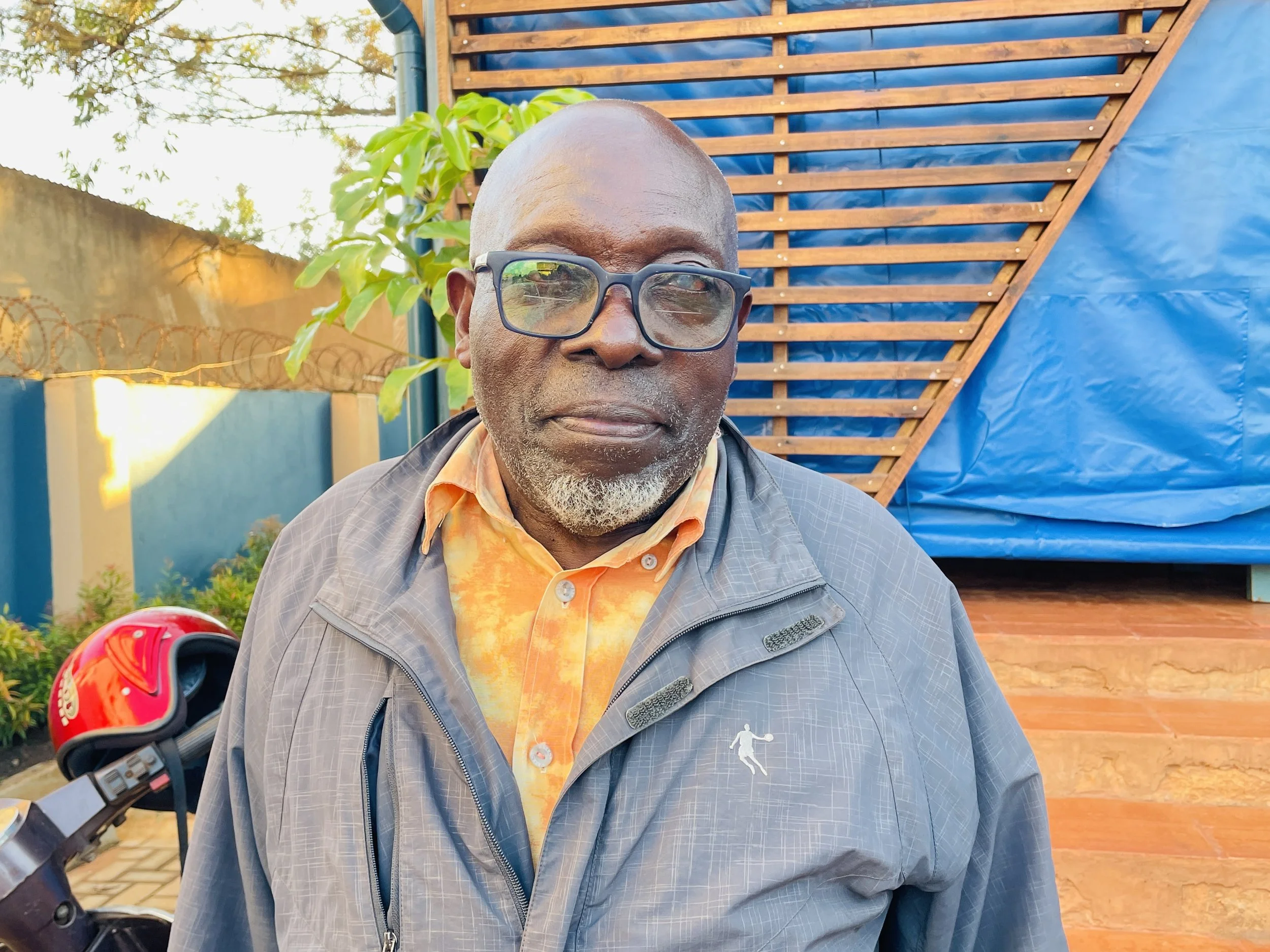
Lutwama David | Parent of Nambirige Pauline, Secondary Scholarship Student
"Personally, I have been closely following up on my daughter's progress. She performs well, even if it isn't always 100%. Today, I learned that as parents, we must be united when it comes to our children's career growth and course alignment because it matters so much. Initially, my daughter wanted to be a lawyer, and I supported that. But later, after sitting down together with her brother, we realized she has the potential to become a doctor, and she is now taking the right subject combination for that profession. We never forced her; we simply guided her.
I also advised her to train in tailoring, which now earns her a small income during the holidays, and we are excited to see what the future holds for her. Thank you so much, Action in Africa, for hosting workshops like this to remind us of our role in securing bright futures for our children. As men, we have also benefited from so many programs here, including the men's trainings. We can never repay you; your support is truly endless."
Guiding a young person toward a fulfilling career doesn't mean choosing their path for them. It means walking alongside them as they discover where their strengths and passions intersect with real-world opportunities.
By bringing parents into the conversation, Action in Africa is ensuring that our students have a strong, informed support system both at the Center and at home. When parents and educators work together, our youth aren't just encouraged to pass exams; they are empowered to build futures where they can truly thrive.